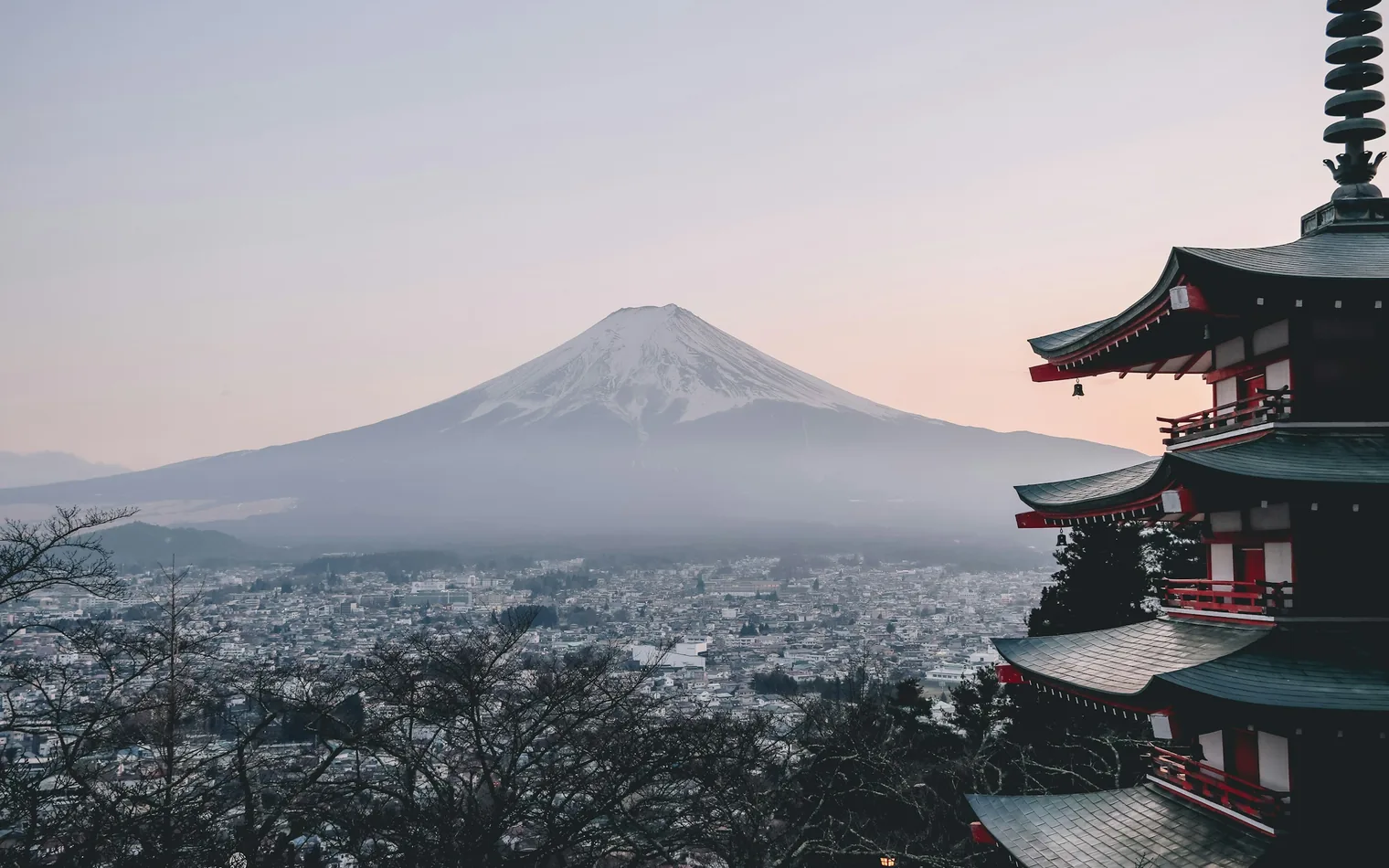
Japan is the rare destination that is both exhilarating and effortless: neon cities and quiet temple gardens, trains that leave to the second, and food that is excellent at every price point. The trick is not to try to see all of it. The trip that works picks a handful of bases along the main rail line, travels between them by Shinkansen, and leaves room for wandering. Here's how to plan that, plus the entry rules, the new taxes and the connectivity details worth sorting out before you fly.
En bref
- Currency
- Japanese yen (JPY)
- Language
- Japanese; English signs are common on public transport in big cities
- Plugs
- Type A (two flat pins), 100V
- Time zone
- JST (UTC+9) all year, no daylight saving
- Best time
- Late March–May and October–November
- Recommended trip
- 10–14 days
- Entry
- Visa-free for many passports, usually up to 90 dayssusceptible de changer
Why visit
Few places reward curiosity as reliably. Tokyo alone is a dozen cities stitched together, from the scramble of Shibuya to the old wooden lanes of Yanaka. Kyoto has more than a thousand years of temples, gardens and shrines, and Osaka is the country's unofficial food capital, loud and cheerful in a way Tokyo isn't.
Beyond the big three, the variety is what surprises people: Mount Fuji over a mirror-still lake, Hiroshima's moving peace memorial, the deer of Nara, Kanazawa's gardens and samurai districts. Everything is linked by a rail network so good that moving between them becomes part of the trip. It suits first-timers as well as repeat visitors, food lovers, culture lovers and anyone who likes a city that works.
Best places to visit
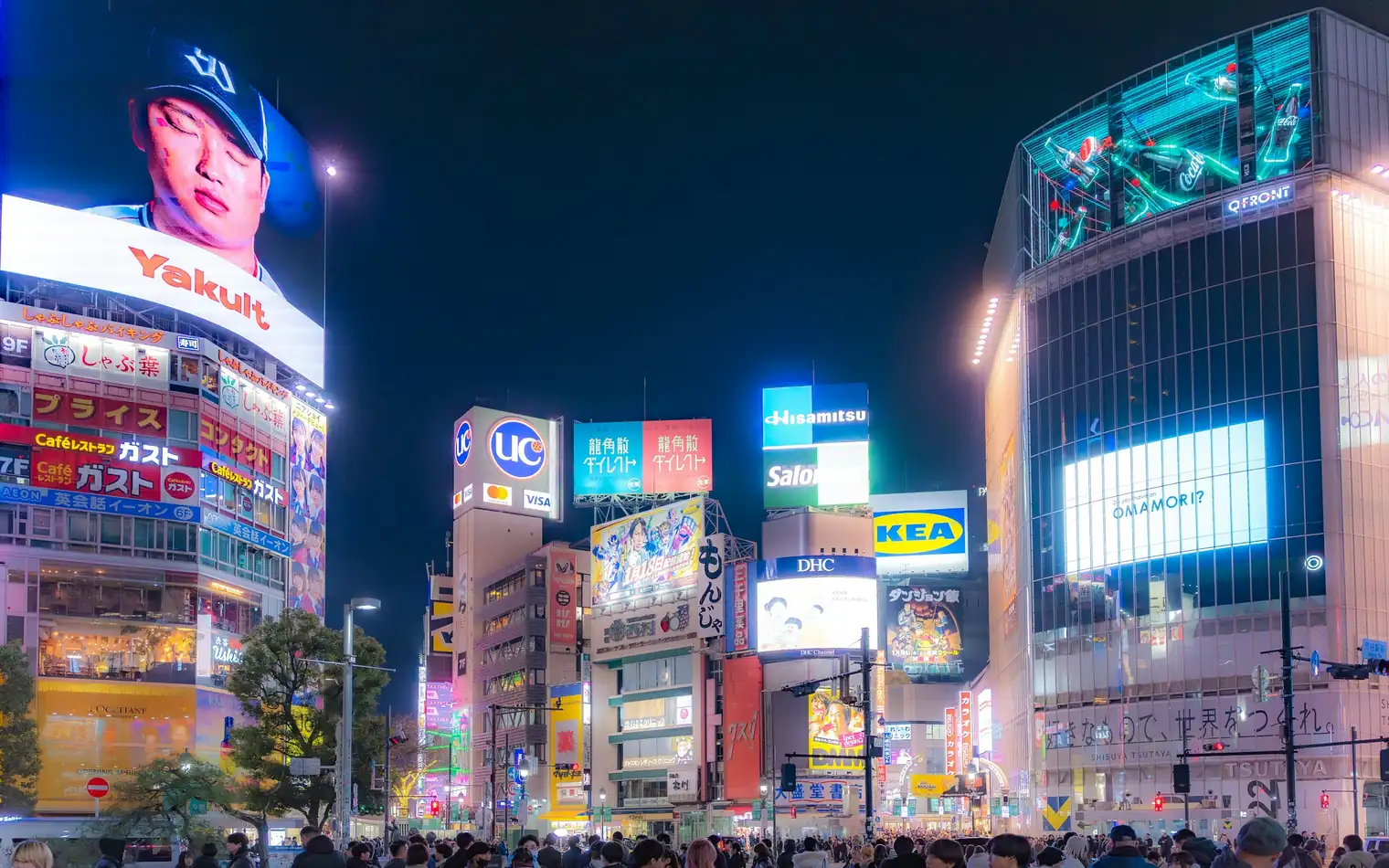
Tokyo
Shibuya and Shinjuku for the neon, Asakusa for Senso-ji temple, Harajuku and Omotesando for fashion, and quiet neighbourhoods like Yanaka for a slower afternoon.
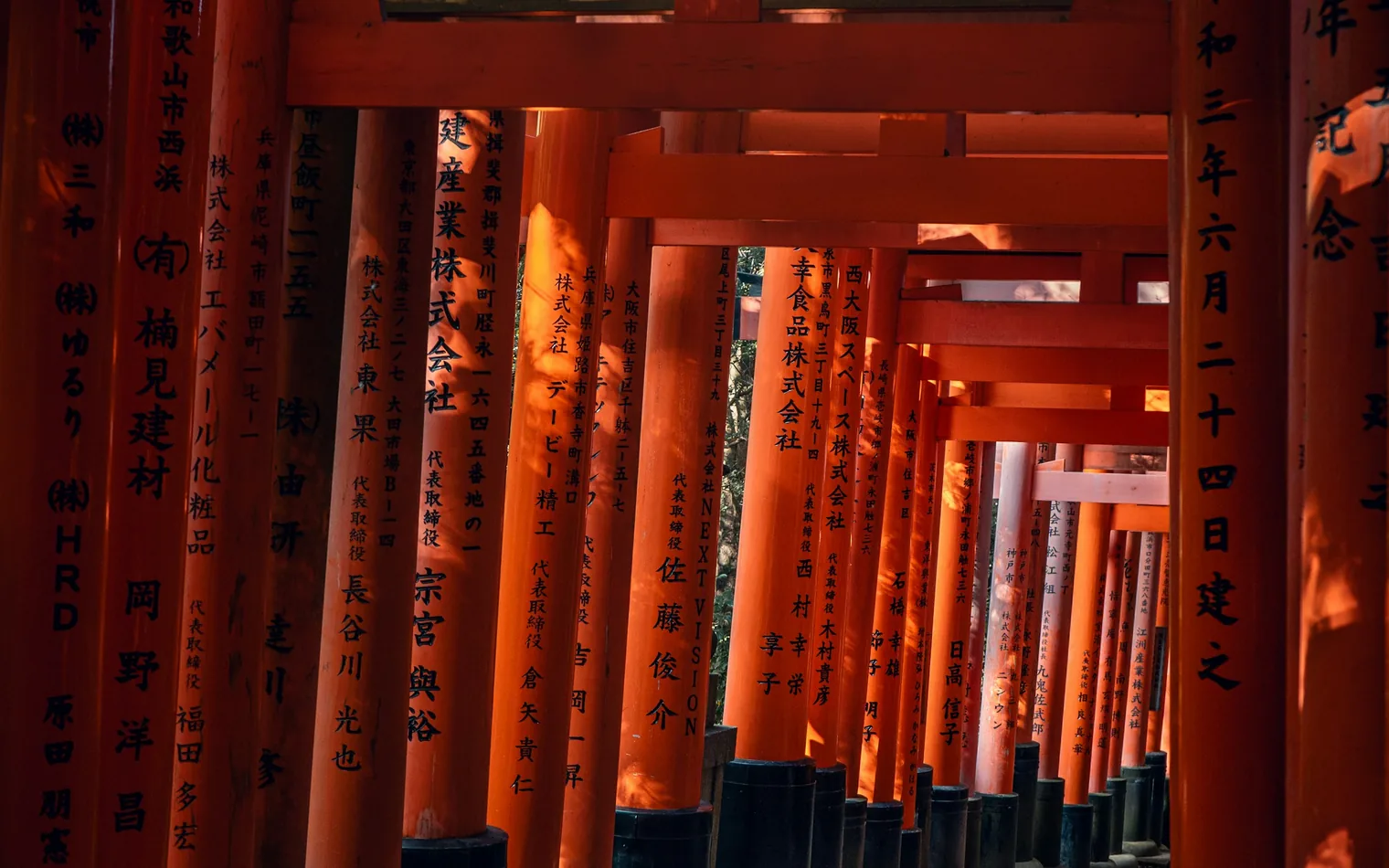
Kyoto
Fushimi Inari's tunnels of torii gates, the bamboo grove at Arashiyama, Kiyomizu-dera and the lanes of Gion. Start early: the famous sights are crowded by mid-morning.
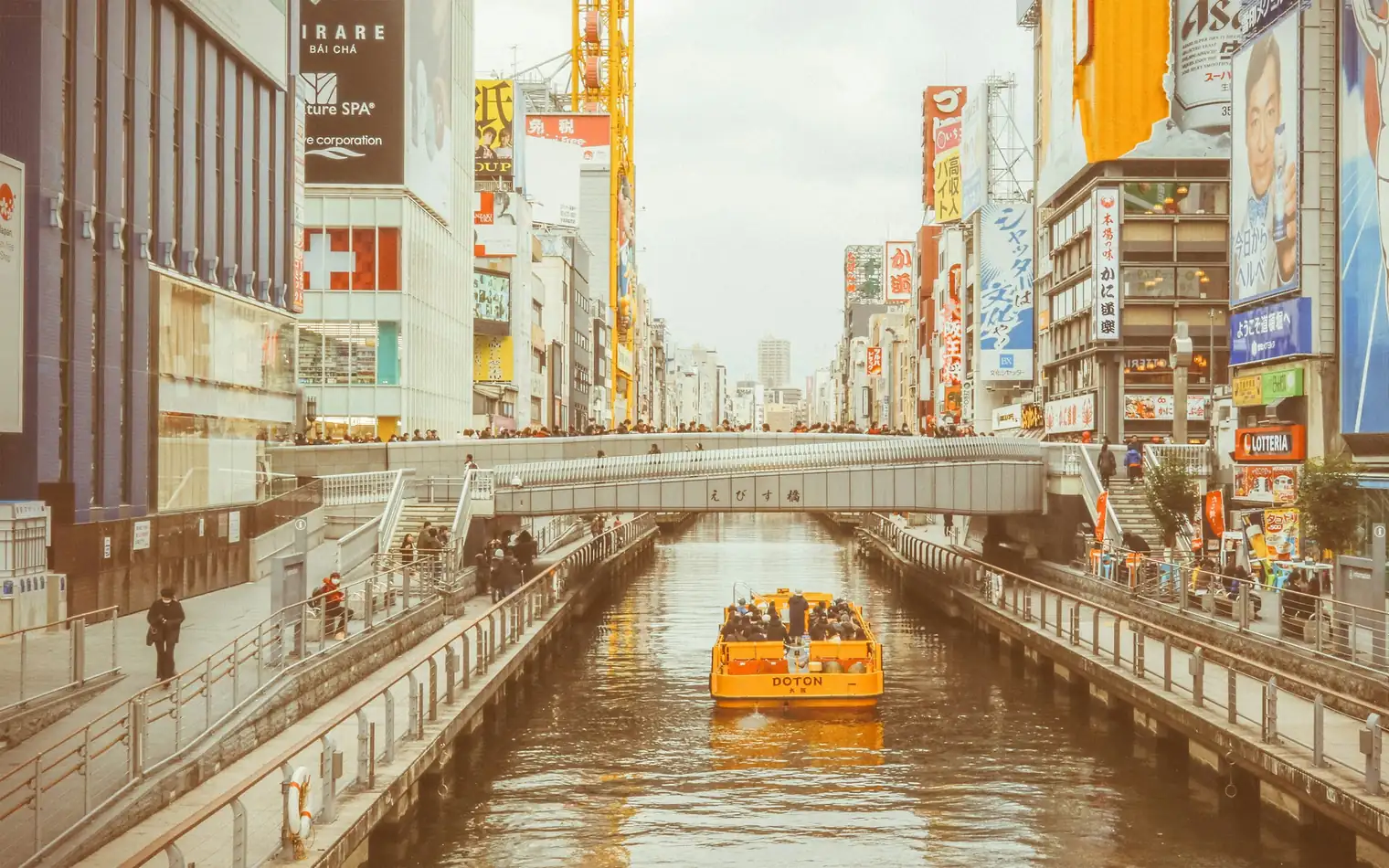
Osaka
Street food and neon along Dotonbori, Osaka Castle, and the retro Shinsekai district. Fifteen minutes from Kyoto by Shinkansen and a good base for flying out of Kansai.
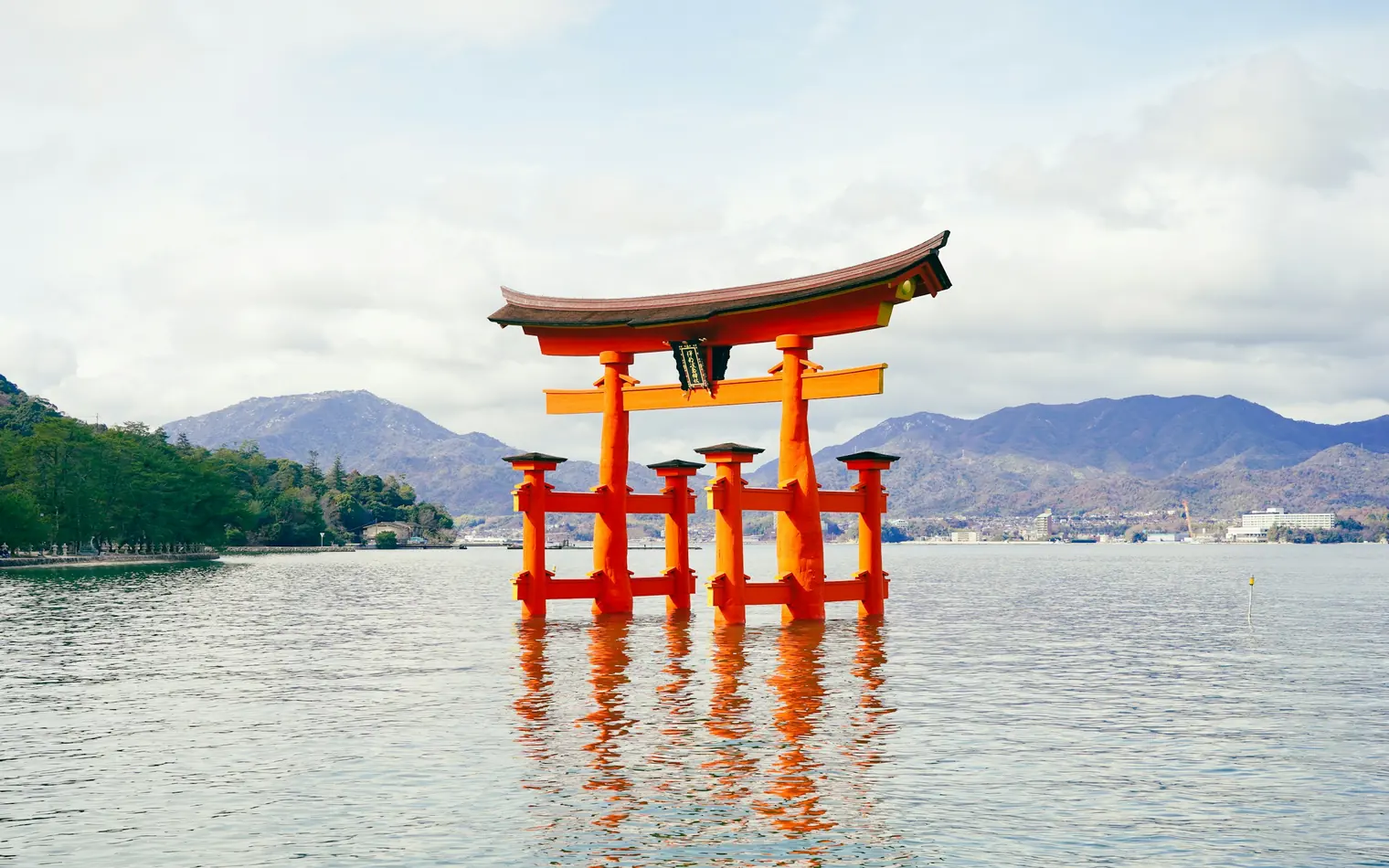
Hiroshima and Miyajima
The Peace Memorial Park and Museum, then a short ferry to Miyajima and the torii gate of Itsukushima Shrine standing in the sea.
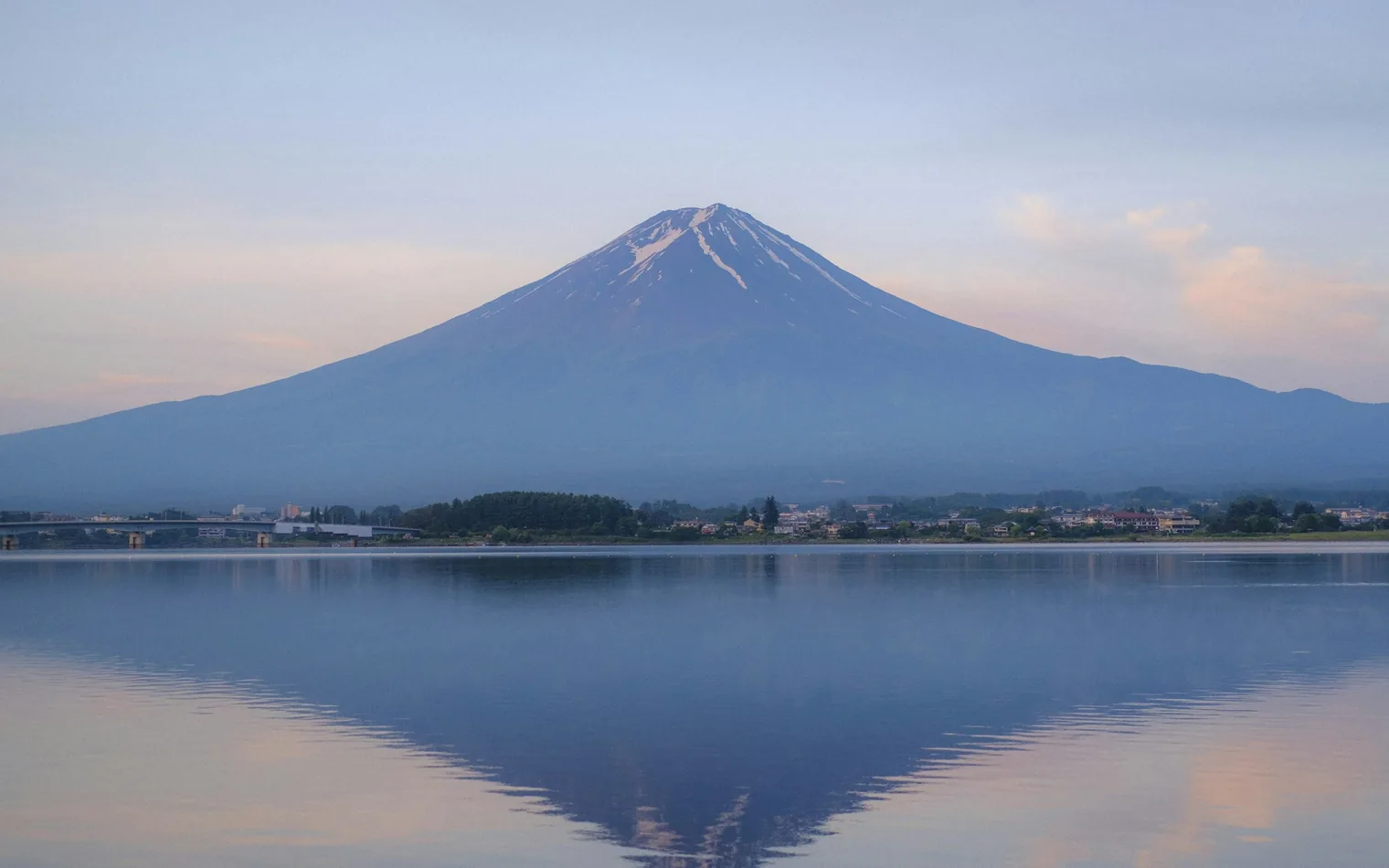
Mount Fuji and Hakone
The Fuji Five Lakes around Kawaguchiko for the classic views, or Hakone for hot springs, a lake cruise and a ryokan night. Fuji often hides behind cloud, so allow a spare morning.
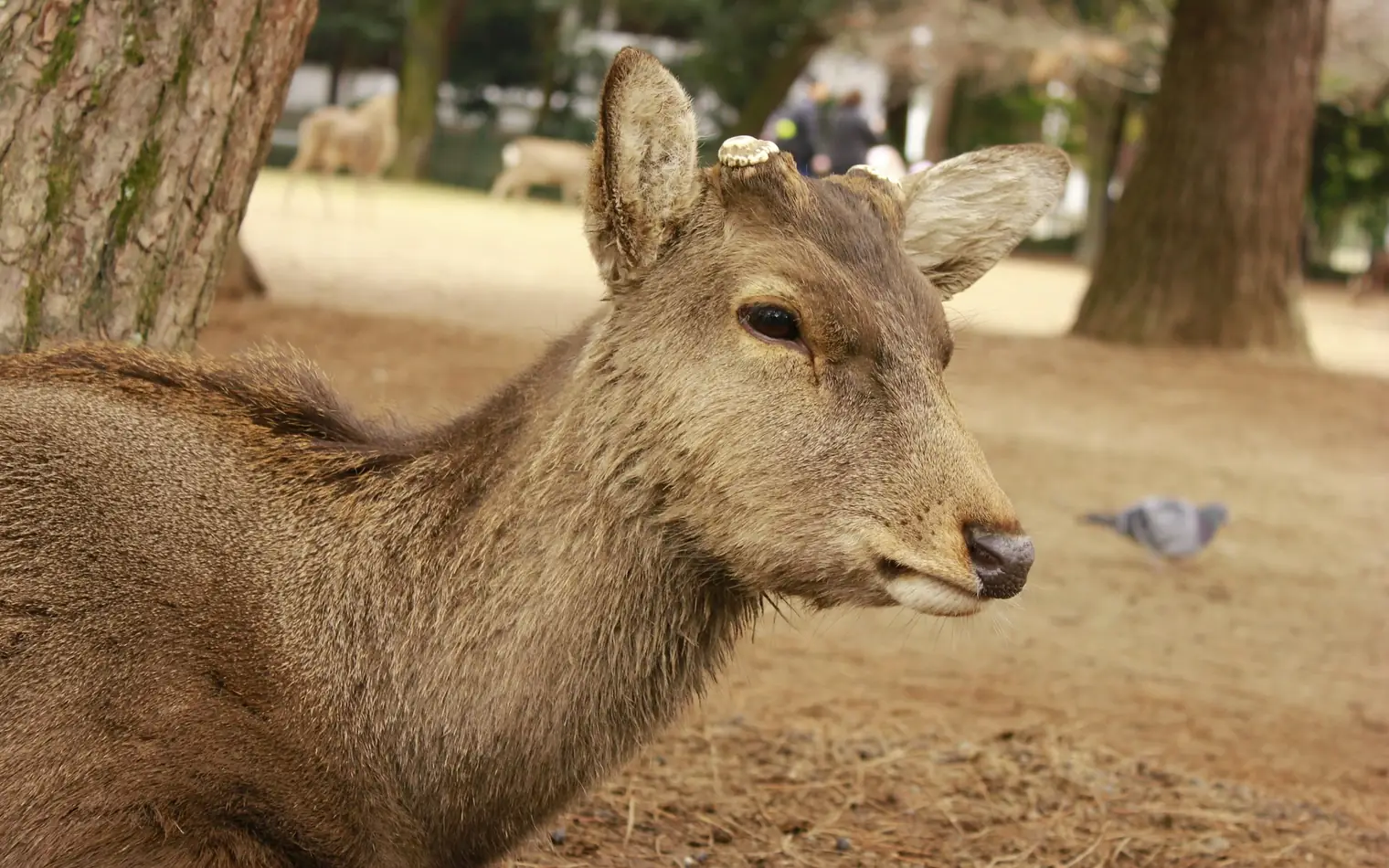
Nara
Todai-ji's giant bronze Buddha and the free-roaming deer of Nara Park. An easy day trip from Kyoto or Osaka.
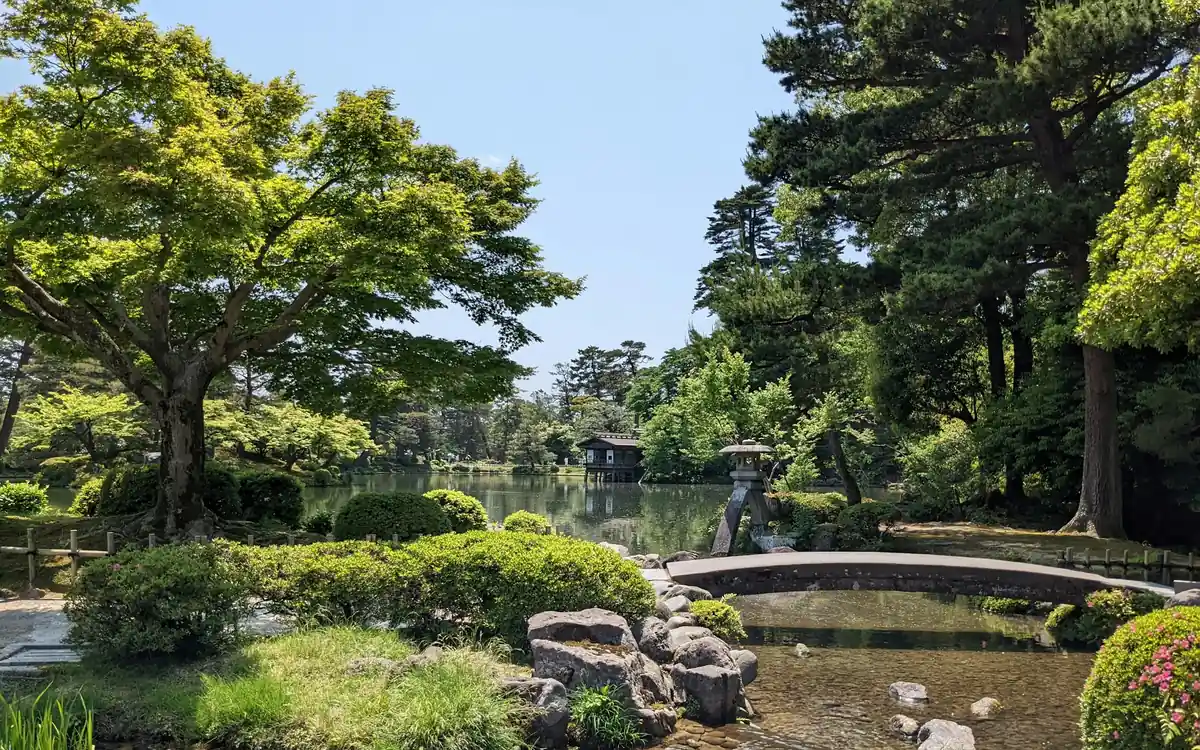
Kanazawa
Kenroku-en, one of Japan's most celebrated gardens, plus preserved geisha and samurai districts and a superb fish market. A quieter alternative to Kyoto's crowds.
For a first trip, Tokyo and Kyoto are the non-negotiables. The question is what to add: Osaka and Nara slot in with almost no extra travel, Hiroshima and Miyajima are the strongest addition for a two-week trip, and Fuji or Hakone break up the cities with a night in the mountains.
Getting there
Tokyo has two international airports. Haneda is close to the city; Narita is about an hour out, linked by express trains such as the Keisei Skyliner and the Narita Express. In the west, Kansai International serves Osaka and Kyoto, with the Haruka express running to Kyoto.
An open-jaw ticket, into Tokyo and out of Kansai or the other way round, saves a long backtrack and fits the natural east-to-west route. Before you fly, register on Visit Japan Web to get the QR code used at immigration and customs (see "Visa and entry" below).
When to go
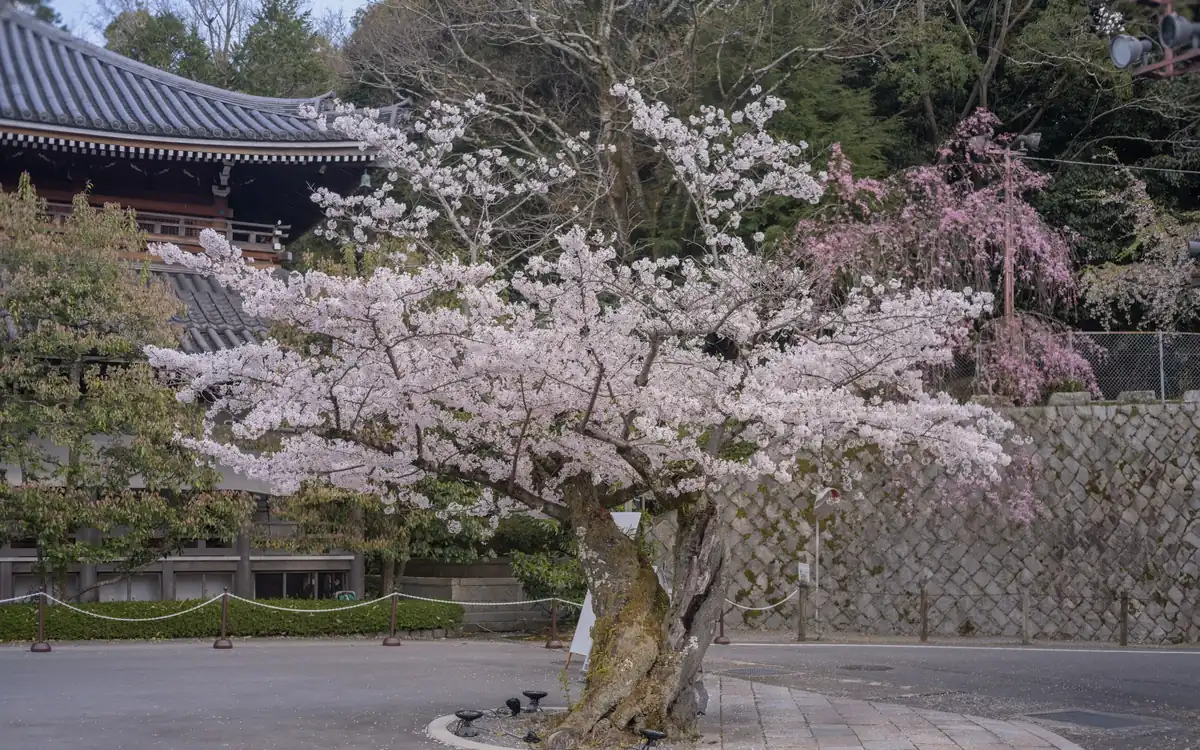
- Best overall
- April, or late October to November
- Best on a budget
- January and February, outside the New Year holidays
- Best for Fuji views
- Winter, when the air is clearest
| Saison | Météo | Affluence | Prix | Idéal pour |
|---|---|---|---|---|
| Spring (March–May) | Mild and fresh; cherry blossoms in late March and early April in Tokyo and Kyoto | Forte | Élevés | Cherry blossoms, city walks, gardens |
| Summer (June–August) | Rainy season through June into July, then hot and humid | Moyenne | Moyens | Festivals, Hokkaido, mountains and Mount Fuji's climbing season |
| Autumn (September–November) | Typhoons possible early on; October and November are dry, clear and mild | Forte | Moyens | Autumn leaves, hiking, everything |
| Winter (December–February) | Cold and dry in Tokyo and Kyoto, heavy snow in the north and the Alps | Faible | Bas | Clear Fuji views, skiing, hot springs, quiet temples |
Spring and autumn are the classic seasons, and everyone knows it: cherry-blossom weeks and Kyoto's autumn-leaf peak in late November bring the highest hotel prices of the year, so book early. Avoid Golden Week (the cluster of public holidays from late April into early May) and the Obon week in mid-August if you can, when much of Japan travels too.
Summer is underrated if you plan around the heat, with festivals almost every weekend, and typhoons can disrupt travel from late summer into autumn. Winter is the bargain: cold but often bright, with snow-capped Fuji at its sharpest.
How many days do you need?
5 days
Tokyo only, with a day trip to Hakone or Kawaguchiko, or three days in Tokyo and two in Kyoto at a brisk pace.
7 days
Tokyo and Kyoto, with a day in Nara or Osaka.
10–12 days
Tokyo, a night near Mount Fuji, Kyoto, Nara and Osaka.
2 weeks
All of the above plus Hiroshima and Miyajima, or Kanazawa on the way west.
How much does Japan cost?
Per person, per day, excluding long-distance trains — estimates from 2024–2026 sources
Budget
8 000–12 000 JPY
par personne et par jour
- Hébergement
- 3 000–6 000 JPY
- Repas
- 1 500–2 500 JPY
- Transports
- 1 000 JPY
- Activités
- 0–1 000 JPY
Hostels and capsule hotels, convenience-store breakfasts, ramen and set lunches, free temples and parks.
Mid-range
15 000–30 000 JPY
par personne et par jour
- Hébergement
- 10 000–20 000 JPY
- Repas
- 3 000–5 500 JPY
- Transports
- 1 200 JPY
- Activités
- 1 000–3 000 JPY
Business hotels and simple ryokan, sit-down restaurants, local trains and paid sights.
Comfort
35 000–50 000 JPY
par personne et par jour
- Hébergement
- 16 000–25 000 JPY
- Repas
- 12 000–16 000 JPY
- Transports
- 3 000 JPY
- Activités
- 3 000–5 000 JPY
Upscale hotels or a ryokan with dinner, fine dining, taxis and guided tours.
Long-distance trains come on top. A single Shinkansen ride from Tokyo to Kyoto is around ¥14,000, and a 7-day Japan Rail Pass costs ¥50,000.
Estimations indicatives en JPY, pas des prix en temps réel. Les données mobiles ne sont pas incluses : voir les forfaits eSIM actuels
Food is the good news: a convenience-store breakfast, a bowl of ramen and a set-menu dinner make a filling day for very little, and the quality rarely drops with the price. The room is what moves the total. Kyoto hotels can cost several times more in cherry-blossom week than in January, and Kyoto also charges a per-person, per-night accommodation tax that rose in March 2026 and now scales with your room rate. Long-distance trains are the other big line, so price them before deciding on a rail pass.
Itineraries
Both routes run east to west along the Shinkansen line and fly home from Kansai, so you never backtrack. Flip them if your flight lands in Osaka.
7 days — Tokyo, Kyoto and Nara7 jours
The classic first trip: three days of city, three of temples, one on the way out.
Jour 1Tokyo — Asakusa and Ueno
- Matin
- Senso-ji temple and Nakamise street
- Après-midi
- Ueno Park and the Tokyo National Museum
- Soir
- Dinner in an izakaya
- Hébergement
- Tokyo
Jour 2Tokyo — Shibuya, Harajuku and Shinjuku
- Matin
- Meiji Jingu shrine and Harajuku
- Après-midi
- Omotesando and Shibuya Crossing
- Soir
- Shinjuku's Omoide Yokocho and the view from the Tokyo Metropolitan Government Building
- Hébergement
- Tokyo
Jour 3Tokyo — your pick
- Matin
- Tsukiji Outer Market for breakfast
- Après-midi
- teamLab, Akihabara or a slow afternoon in Yanaka
- Hébergement
- Tokyo
Jour 4Kyoto — Higashiyama
- Matin
- Shinkansen to Kyoto, about two and a quarter hours
- Après-midi
- Kiyomizu-dera and the lanes down to Gion
- Soir
- A walk along Hanamikoji at dusk
- Hébergement
- Kyoto
Jour 5Kyoto — Fushimi Inari and Arashiyama
- Matin
- Fushimi Inari as early as you can manage
- Après-midi
- Arashiyama's bamboo grove and Tenryu-ji
- Hébergement
- Kyoto
- À ne pas manquer
- The upper torii paths at Fushimi Inari, where the crowds thin out
Jour 6Nara
- Matin
- Train to Nara, Todai-ji and Nara Park
- Après-midi
- Kasuga Taisha and the old Naramachi quarter
- Hébergement
- Kyoto
Jour 7Osaka and departure
- Matin
- Train to Osaka, lunch in Dotonbori
- Après-midi
- Onward to Kansai Airport
14 days — Tokyo, Mount Fuji, Kyoto, Hiroshima and Osaka14 jours
The full east-to-west run, with a night in the mountains and an island day.
Jour 1–4Tokyo
- Après-midi
- Asakusa, Shibuya, Shinjuku and a day of your own choosing
- Hébergement
- Tokyo
Jour 5–6Kawaguchiko (Fuji Five Lakes)
- Matin
- Bus or train from Tokyo
- Après-midi
- Lakeside walks and the Chureito Pagoda viewpoint
- Hébergement
- A ryokan by the lake
- À ne pas manquer
- Fuji at sunrise, if the clouds cooperate
Jour 7–9Kyoto
- Matin
- Bus to a Shinkansen station such as Mishima, then the train west, or go back through Tokyo
- Après-midi
- Higashiyama, Gion, Fushimi Inari and Arashiyama over three days
- Hébergement
- Kyoto
Jour 10Nara
- Matin
- Todai-ji and the deer park
- Après-midi
- Back to Kyoto
- Hébergement
- Kyoto
Jour 11–12Hiroshima and Miyajima
- Matin
- Shinkansen to Hiroshima
- Après-midi
- Peace Memorial Park on the first day, Miyajima on the second
- Hébergement
- Hiroshima, or a night on Miyajima
Jour 13–14Osaka
- Matin
- Shinkansen back east to Shin-Osaka
- Après-midi
- Osaka Castle, Shinsekai and a last night of street food in Dotonbori
- Hébergement
- Osaka
Getting around
| Trajet | Meilleure option | Durée | Coût approx. |
|---|---|---|---|
| Tokyo → Kyoto | Shinkansen (Nozomi) | About 2 h 15 min | 13 970 JPY |
| Tokyo → Shin-Osaka | Shinkansen (Nozomi) | About 2 h 30 min | 14 520 JPY |
| Kyoto → Hiroshima | Shinkansen (Nozomi) | About 1 h 45 min | 11 740 JPY |
| Tokyo → Hiroshima | Shinkansen (Nozomi) | About 4 h | 19 560 JPY |
| Unlimited JR travel, 7 days | Japan Rail Pass, ordinary cars | — | 50 000 JPY |
| Unlimited JR travel, 14 days | Japan Rail Pass, ordinary cars | — | 80 000 JPY |
| Kyoto ↔ Nara | JR or Kintetsu train | About 45 min | — |
| Within cities | Subway, local trains and buses with an IC card | — | — |
- Shinkansen fares are smartEX online prices for a reserved seat in the regular season; peak dates cost a few hundred yen more.
- Japan Rail Pass holders need an extra special ticket to ride Nozomi and Mizuho trains.
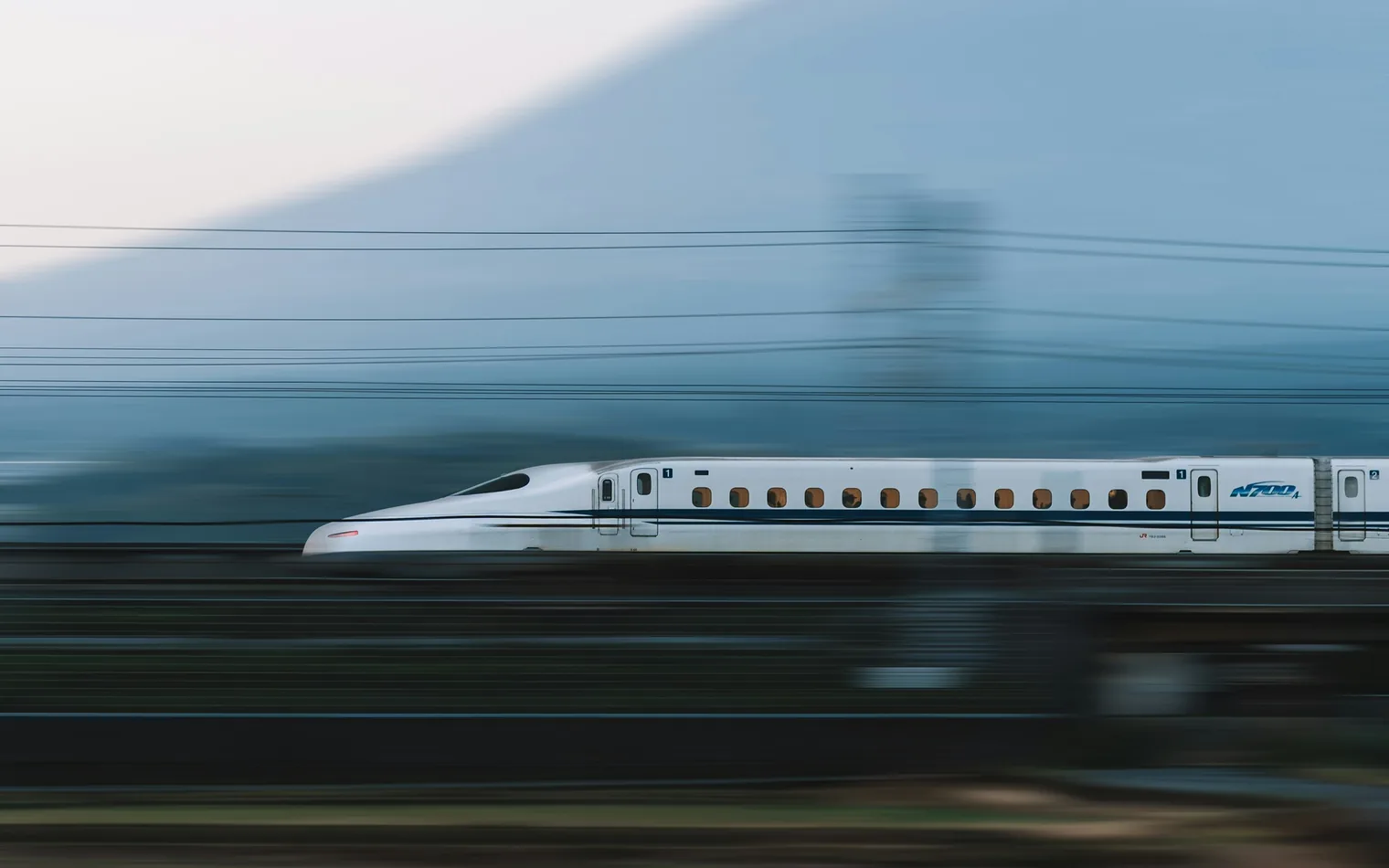
The Shinkansen is the backbone of any first trip: fast, frequent and spotless, with reserved seats you can book online through smartEX or at station machines. Inside cities, load an IC card such as Suica, PASMO or ICOCA and tap through subway, train and bus gates without buying tickets. The same card pays in convenience stores and vending machines, and on iPhone you can carry Suica in your wallet app.
Big luggage is the one awkward part: Shinkansen trains have limited space for oversized bags, and some routes ask you to reserve it. The easy fix is takkyubin, the luggage-forwarding service hotels and convenience stores offer, which sends your suitcase on to your next hotel while you travel light.
Is the JR Pass worth it?
For years the Japan Rail Pass was an automatic purchase. Since the October 2023 price rise it is a calculation. A 7-day ordinary pass now costs ¥50,000, while a Tokyo–Kyoto return in single smartEX tickets costs about ¥28,000. Even the long loop from Tokyo to Kyoto, on to Hiroshima and back to Tokyo comes to about ¥45,000 in single tickets, still under the price of the pass, before you count the special ticket the pass needs for the fastest Nozomi trains.
So the pass pays off when you cover a lot of distance in a short time: several long Shinkansen legs inside seven days, or a route that adds the north or Kyushu. For the classic Tokyo–Kyoto–Osaka trip, single tickets usually win, and regional passes from JR East or JR West can beat both for a focused route. Add up your actual legs first, then decide.
Where to stay
Shinjuku or Shibuya (Tokyo)
Huge rail hubs with everything around them, from business hotels to late-night food.
Asakusa or Ueno (Tokyo)
Older, calmer and often cheaper, with a direct train to Narita from Ueno.
Around Kyoto Station
Practical for day trips and the Shinkansen, with plenty of mid-range hotels.
Gion and Higashiyama (Kyoto)
Walk to the old streets and temples at the quiet ends of the day.
Namba or Umeda (Osaka)
Namba for food and nightlife, Umeda for transport links.
A ryokan in Hakone or Kawaguchiko
A traditional inn with tatami rooms, an onsen and a multi-course dinner. Worth one night on any budget.
Things to know before you go
Carry some cash
Cards work in most hotels, chains and big shops, but small restaurants, temples and rural places may be cash-only. Convenience-store ATMs generally accept foreign cards.
Get an IC card on day one
Suica, PASMO or ICOCA covers almost every train, subway and bus in the big cities and saves queuing for tickets.
Tax-free shopping is changing
From 1 November 2026, shops charge the full price including consumption tax, and you claim the refund when you leave Japan, after Customs confirms you are taking the goods out. The minimum is ¥5,000 per shop per day, and the goods must leave Japan within 90 days of purchase.
Departure tax is now ¥3,000
Japan's International Tourist Tax rose from ¥1,000 to ¥3,000 per departure from 1 July 2026. Airlines add it to the ticket price, so there is nothing to pay at the airport.
Check your medicines
Some common prescription and over-the-counter medicines are banned or restricted in Japan, including stimulants and codeine-based products. Check before you pack.
Keep your passport on you
Visitors are required to carry their passport at all times.
Bins are rare
Public trash cans are scarce, so carry a small bag for your rubbish and dispose of it at your hotel or a convenience store.
Visa and entry
Whether you need a visa depends on your passport. Japan has visa-exemption arrangements with many countries and regions for short-term tourism; the permitted stay is usually 90 days, though a few nationalities are granted 15 or 30 days, and others need a visa in advance.
- Visa-free entry covers tourism and similar short visits only. You cannot take paid work.
- Register your arrival on Visit Japan Web before you fly. It gives you one QR code for immigration and customs that you show on your phone when you land.
- Passport validity rules depend on your nationality. The UK FCDO, for example, says a British passport only needs to be valid for the length of your stay. Check your own government's advice.
- Japan plans to introduce an electronic travel authorisation, JESTA, for visa-exempt visitors, and aims to launch it in fiscal year 2028. It is not required yet.
Sources officielles: Ministry of Foreign Affairs of Japan — visa exemption list · JNTO — Japan visa requirements · Visit Japan Web (Digital Agency) · Immigration Services Agency — JESTA early introduction (PDF) · UK FCDO — Japan entry requirements
Données mobiles et eSIM
1. Internet et connectivité
Forfaits eSIM : disponibles
Voir les forfaits eSIM VamosData →
Également inclus dans : Asie
- Japan isn't part of the EU's roam-like-at-home rules, so a mobile plan from an EU country usually charges roaming there. Check your operator's terms before you rely on it.
- Free Wi-Fi exists in stations, convenience stores and most hotels, but it often needs a sign-up and drops out as soon as you move. You'll lean on mobile data for train apps, maps, translation and restaurant bookings.
- Signal can thin out in mountain areas and in some tunnels, so download offline maps before hikes and rural road trips.
- A VamosData eSIM installed at home over your own Wi-Fi is online when you land, ready for the Visit Japan Web QR code and the route into the city.
2. SIM ou eSIM
| eSIM VamosData | Carte SIM locale | |
|---|---|---|
| Quand l'installer | Chez vous, avant de partir : connecté dès l'atterrissage | À l'arrivée, à un comptoir de l'aéroport ou en boutique |
| Identité et enregistrement | Aucun : une simple adresse e-mail | Souvent un passeport et un enregistrement, selon le pays |
| Votre numéro habituel | Votre SIM habituelle reste dans le téléphone : WhatsApp garde votre numéro | Remplace généralement votre SIM habituelle, sauf si votre téléphone en accepte deux |
| Appels et SMS | Données uniquement : appelez via WhatsApp, FaceTime ou équivalent | Un numéro local avec appels et SMS |
| Recharges | En ligne, où que vous soyez | En boutique ou dans l'application de l'opérateur |
| Téléphone requis | Un téléphone débloqué et compatible eSIM : vérifiez le vôtre | Tout téléphone débloqué avec un emplacement SIM |
3. Comparatif des fournisseurs d'eSIM
| Fournisseur | Par rapport à VamosData |
|---|---|
| Airalo | environ 30 % plus cher en moyennesur 3 forfaits aux données et à la validité identiques |
| Yesim | environ 25 % plus cher en moyennesur 3 forfaits aux données et à la validité identiques |
| Nomad | environ 15 % plus cher en moyennesur 4 forfaits aux données et à la validité identiques |
| Ubigi | environ 15 % plus chersur 1 forfait aux données et à la validité identiques |
Comparaison avec les fournisseurs indiqués, sur des forfaits aux données et à la validité identiques, d'après le site de chaque fournisseur le 14 octobre 2026. Les pourcentages sont indicatifs et les prix changent souvent. Sources: Airalo, Nomad, Yesim, Ubigi
4. Quantité de données recommandée
| Votre usage du téléphone | 7 jours | 14 jours | 21 jours |
|---|---|---|---|
| LégerCartes et messagerie, moins d'une heure par jour | ≈ 1 Go | ≈ 2 Go | ≈ 3 Go |
| StandardPlus les réseaux sociaux, 1 à 3 heures par jour | ≈ 6 Go | ≈ 15 Go | ≈ 20 Go |
| IntensifPlus la vidéo en streaming, 3 à 5 heures par jour | ≈ 25 Go | ≈ 50 Go | ≈ 70 Go |
Estimations issues du même modèle que notre outil de choix de forfait, marge de sécurité comprise. Le partage de connexion et les appels vidéo consomment davantage. Trouver le bon forfait →
What to eat
Ramen
Rich tonkotsu pork broth, soy-based shoyu, miso from the north. Many shops take your order through a ticket machine at the door.
Sushi
From conveyor-belt kaiten-zushi to a counter seat at an omakase bar. Fish markets serve excellent breakfast sushi.
Okonomiyaki and takoyaki
Savoury griddled pancakes, made differently in Osaka and Hiroshima, and octopus balls straight from the street stall.
Izakaya food
Yakitori skewers, karaage fried chicken, edamame and small plates to share over a drink in a Japanese pub.
Kaiseki
Kyoto's seasonal multi-course meal, often served at a ryokan dinner. A splurge worth making once.
Konbini and depachika
Convenience-store onigiri and sandwiches are genuinely good, and department-store food halls are a feast to wander.
Culture and etiquette
Most of Japanese etiquette comes down to consideration for the people around you. Keep your voice down on trains and don't take phone calls on them, queue in the marked lines on platforms, and stand on one side of the escalator (the left in Tokyo, the right in Osaka). Eating while walking is frowned upon in many places, so finish your snack where you bought it.
Shoes come off at the entrance to homes, ryokan, many temples and some restaurants. Look for a step up or a row of slippers. At onsen, wash thoroughly before you get in, and check the rules on tattoos, which some baths still refuse.
There is no tipping. Leaving money on the table can cause confusion, and staff may chase you down the street to return it. Paying is done at the counter, often by placing cash or a card on the small tray rather than handing it over. A few words go a long way: "konnichiwa" (hello), "arigatou gozaimasu" (thank you) and "sumimasen" (excuse me, and a very useful sorry).