Aviation rewrote the power bank rules in March 2026, and travellers mostly filed it under "fine, whatever". Then the first long-haul arrives: the boarding pass is on the phone, the offline map is on the phone, the hotel booking is on the phone, the data plan is a profile inside the phone — and the brick that used to rescue all of it is now subject to a list of conditions.
None of the changes are onerous. They just move a job you used to do at 35,000 feet to before you leave the house.
What actually changed
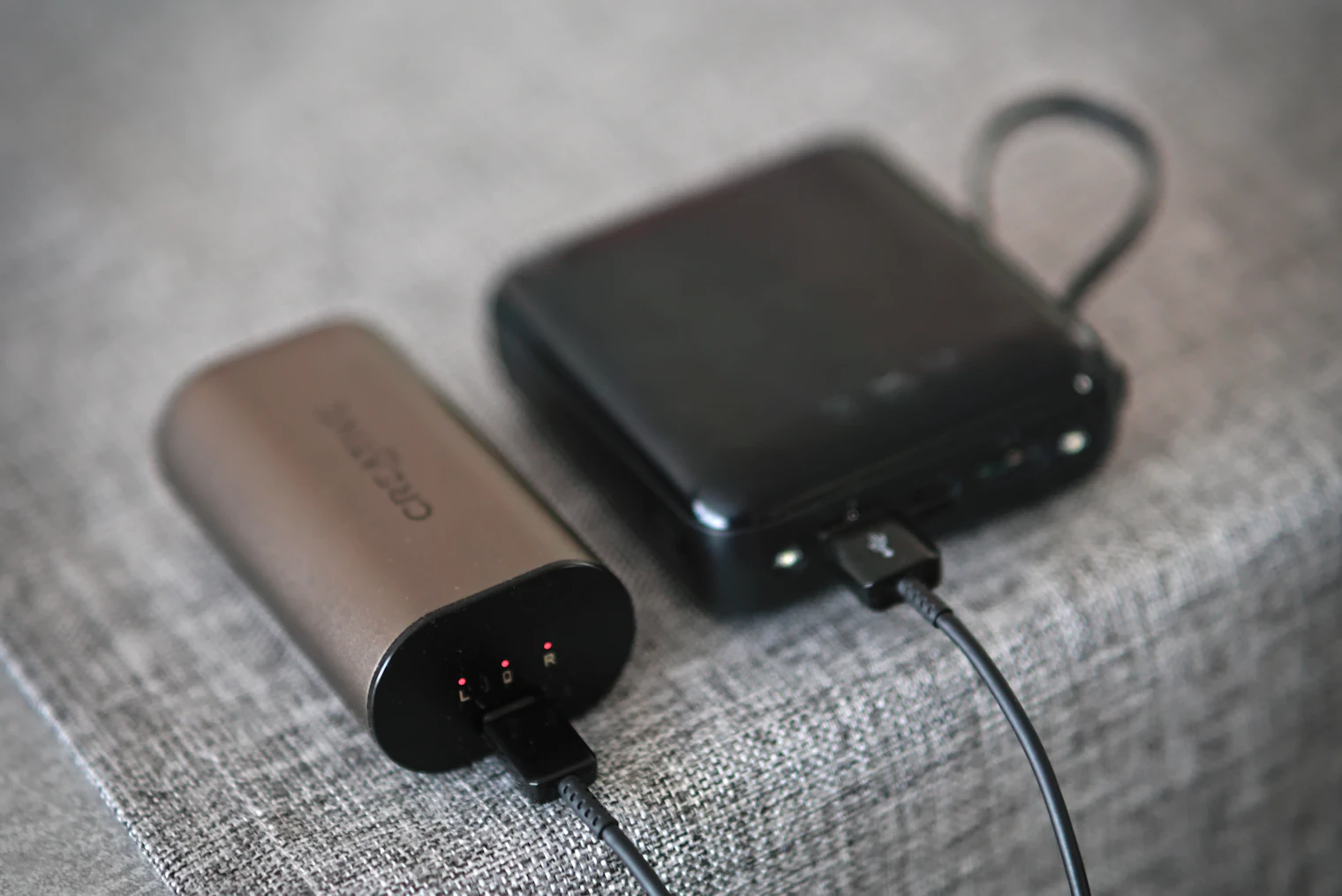
The International Civil Aviation Organization amended its dangerous goods instructions with effect from 27 March 2026. Two points are in the amendment itself:
- Two power banks per passenger, carried in the cabin.
- No recharging them during the flight — the bank must not be plugged into an in-seat socket or USB port while you're airborne.
Two more points are older rules that the renewed attention has simply made visible again:
- Power banks never go in checked baggage. Spare lithium batteries have been cabin-only for years, which is why "it's in my suitcase" has never been the right answer at the gate.
- Capacity thresholds apply. Airlines generally accept batteries up to 100 Wh without fuss, ask for approval in the 100–160 Wh band, and refuse anything above it. The figure is usually printed in small type on the casing.
And one that's spreading fast without being identical everywhere: keep the bank where you and the crew can see it — seat pocket, under the seat, on your person — rather than buried in the overhead bin. The logic is straightforward: a battery that starts venting should be somewhere a human can reach it in seconds.
The part your airline decides
Here the honest answer is "it depends", and pretending otherwise gets people stopped at a gate.
Carriers are layering their own limits on top of the international floor. Some allow one power bank rather than two. Some require it in plain sight for the whole flight. Some ban using it onboard entirely — not just recharging the bank, but drawing from it to charge your phone, which is the thing most passengers assume is fine.
That last distinction is the one worth checking, because it decides whether your battery strategy works at all. Look up your airline's dangerous goods or restricted items page a day or two before you fly, and check each carrier separately on a multi-leg itinerary — a codeshare doesn't inherit the operating airline's policy.
Meanwhile, the phone is doing five jobs
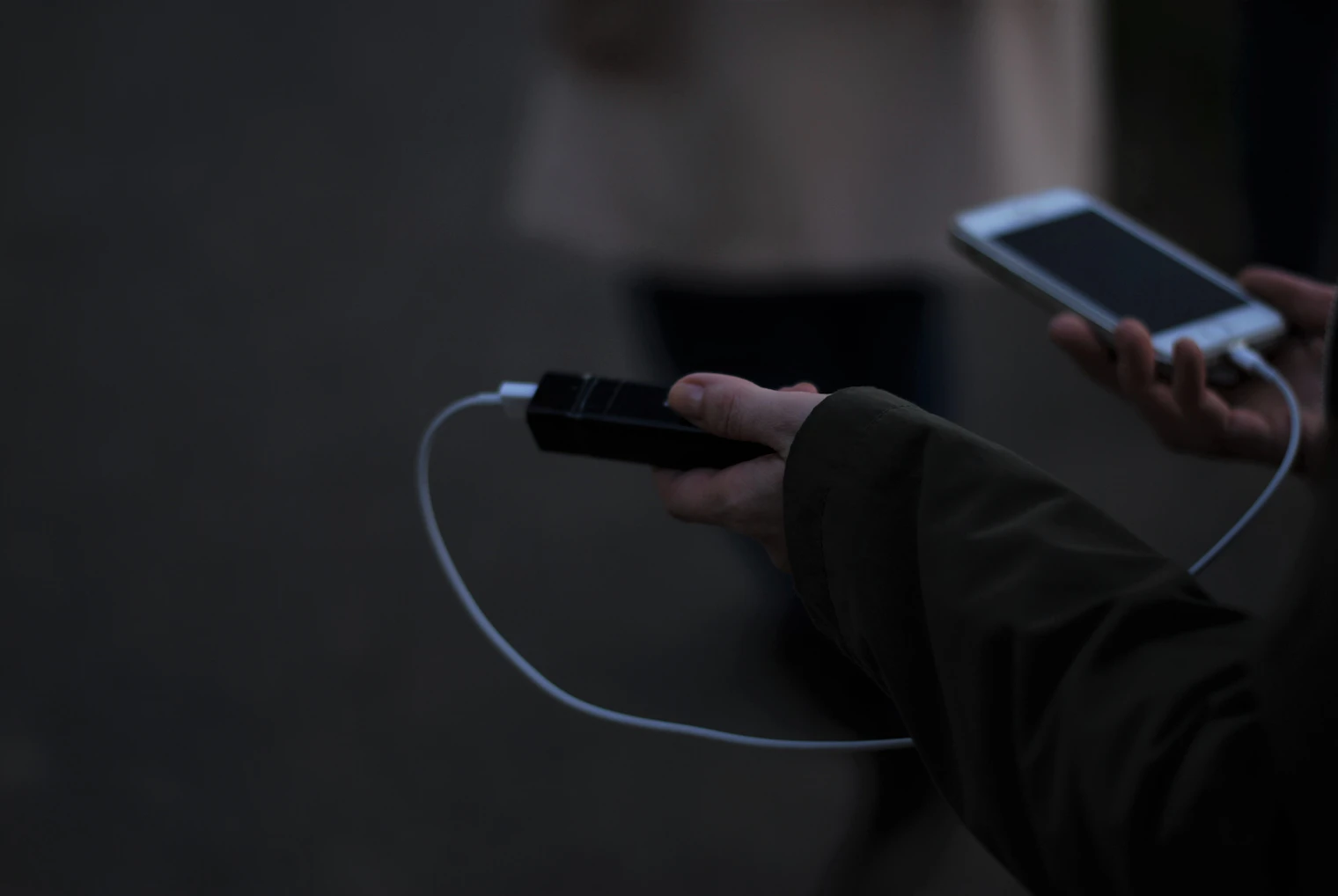
Think about what a modern trip asks of one battery between check-in and the hotel door:
- the boarding pass, scanned at least twice
- the offline map and the transit directions
- the accommodation booking and the address
- the translation app at the taxi rank
- a VamosData eSIM providing the data everything else runs on
A paper backup used to exist for most of that. Now the phone holds the lot, and its battery has become a single point of failure for the trip. A dead phone abroad isn't an inconvenience; it's a locked boarding pass, an unreachable address and no way to call anyone about either.
Charge is a pre-flight task now
Treat departure day as the moment topping up stops being an option, and start from full:
- Charge the phone and both banks the night before. Not in the morning, when you'll forget one.
- Use the sockets you'll meet on the way — at home, at the gate, at the lounge. Airport charging points are free real estate.
- Download everything before boarding: offline maps for the destination city, your boarding pass into the wallet app, and anything you plan to watch.
- Fly in airplane mode plus low power mode. Screen brightness down, background refresh off.
- Keep the bank within reach, and charge from it on the ground if your airline doesn't allow it in the air.
Set your data up at home too
The same logic that moves charging to the ground moves connectivity to your own Wi-Fi. Wrestling with a captive portal or an airport SIM counter at 9% battery is the scenario to design out — we broke that arrival down in your first 30 minutes in a new country.
Before you fly:
- Confirm your phone supports eSIM with the device checker.
- Pick a plan for where you're going on destinations.
- Install it at home over Wi-Fi with the iOS or Android guide — installing doesn't spend the plan.
Most plans only start counting when your VamosData eSIM first connects at your destination, so setting it up days early costs nothing. On landing, switch data to the VamosData line, turn its data roaming on, and leave your home line's data roaming off.
The short version
Two banks, in the cabin, within reach, charged before you board — and a VamosData eSIM already installed, so the only thing left to do when the wheels touch down is come out of airplane mode.