Somewhere around the third consecutive 38-degree afternoon, the classic European summer trip stops making sense. Hence the coolcation: a holiday planned around mild weather rather than a beach thermometer, where the selling points are a fleece in the evening, a lake you can actually swim in, and a bedroom that doesn't need air conditioning to be survivable.
It isn't only a Nordic thing, either. Some of the mildest summers in Europe happen in countries you'd file under "hot" — you just have to pick the right coast, or the right altitude. Here's the map, from the obvious to the ones nobody books.
The classics: the far north
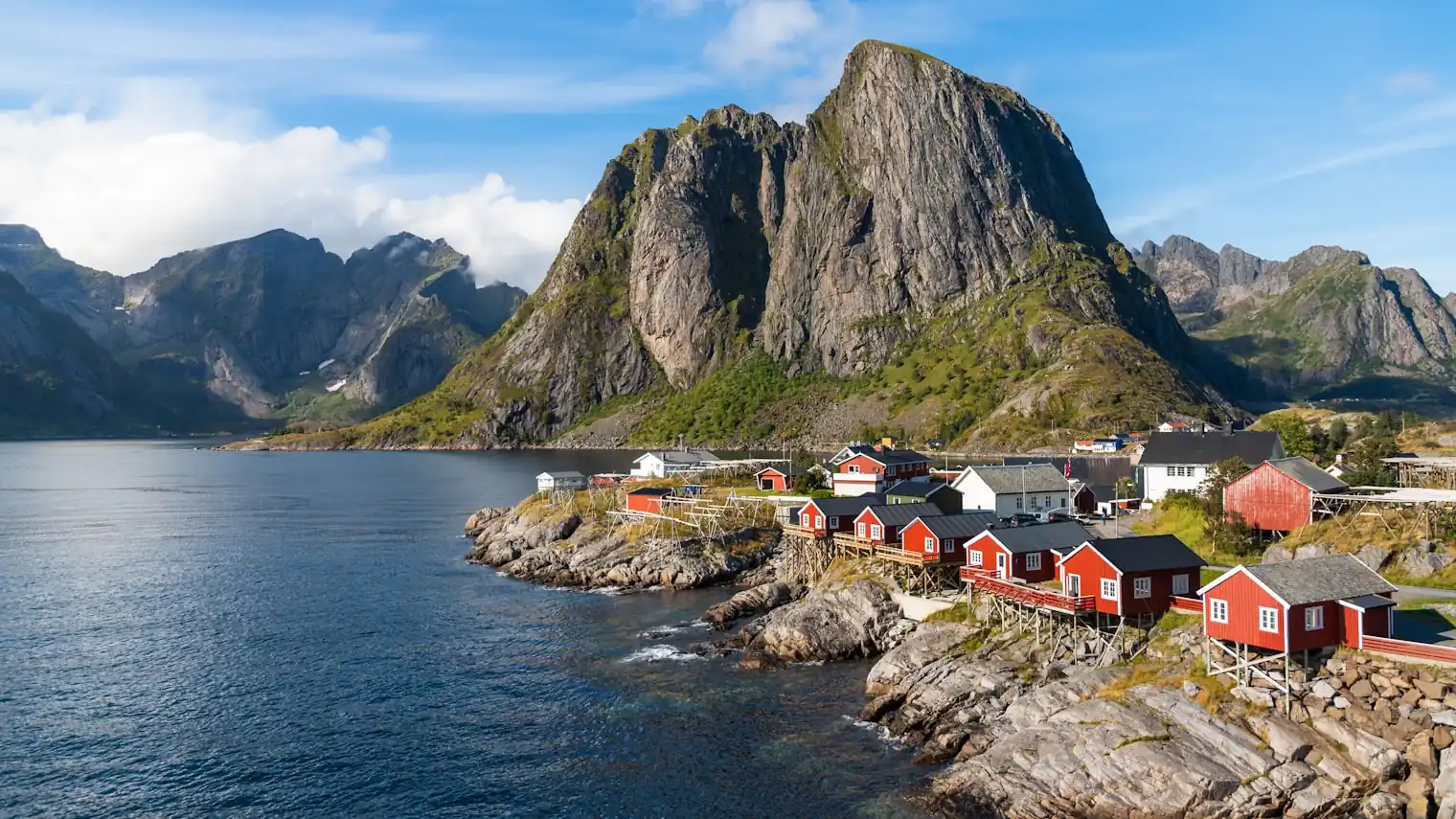
The north earns its reputation. Summer up here is a season of long light rather than high heat — the sun barely bothers to set, and the temperature parks somewhere between "cardigan" and "pleasant".
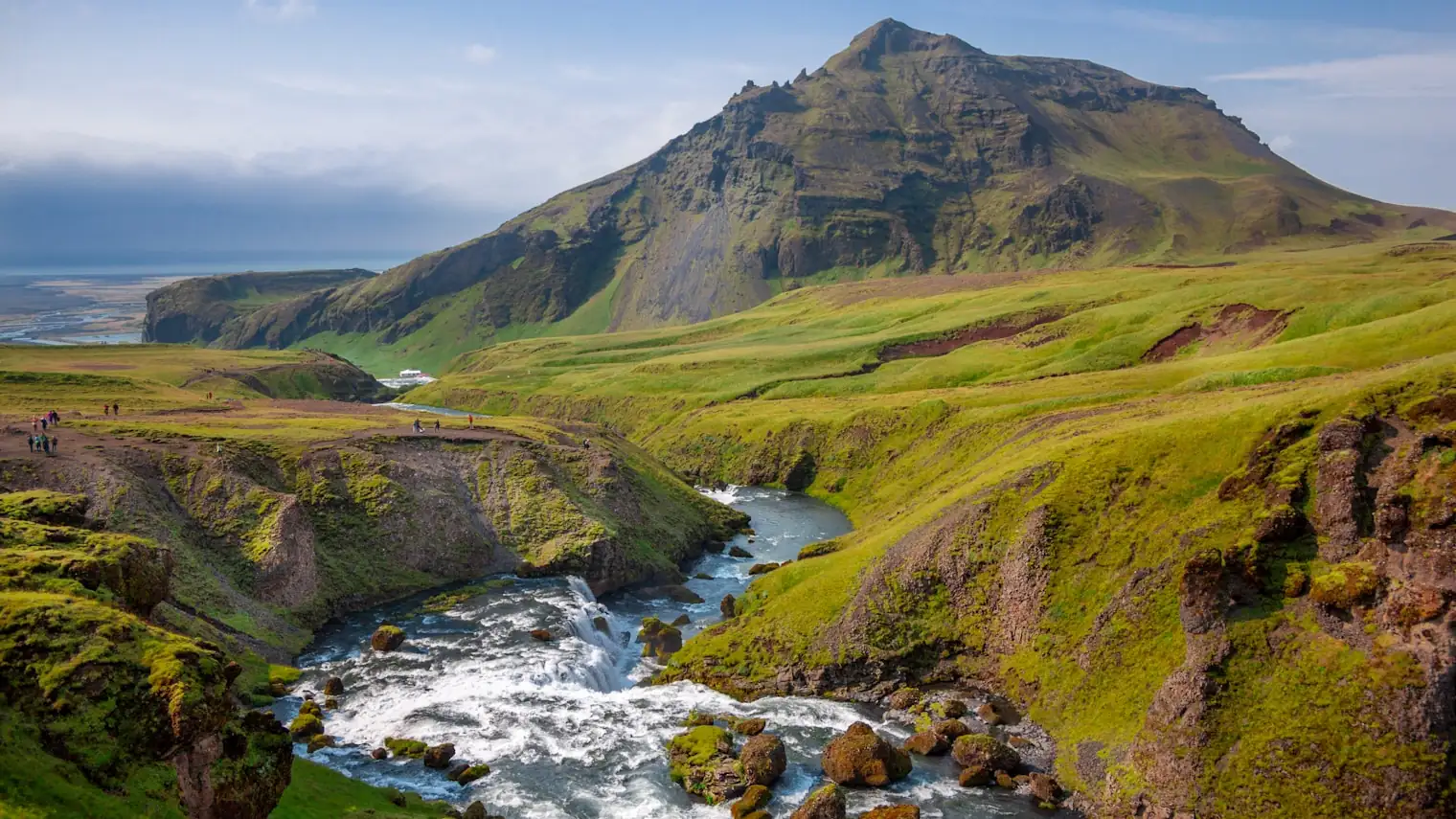
- Iceland. July highs around Reykjavík usually sit in the low teens Celsius. The trade is cool air and warm water: waterfalls, lava fields and geothermal pools you won't want to get out of.
- Norway's fjords and Lofoten. Mid-teens most days, with the midnight sun above the Arctic Circle into late July. Hiking, ferries, and villages that look assembled by a set designer.
- Finnish Lakeland. The warmest of the group and the most swimmable: thousands of lakes, wooden cabins, and a sauna culture that makes cold water feel like a good idea.
- The Scottish Highlands. Rarely troubles the mid-20s, and green for a reason. Bring a midge net and accept the deal.
Green Spain: the Atlantic north
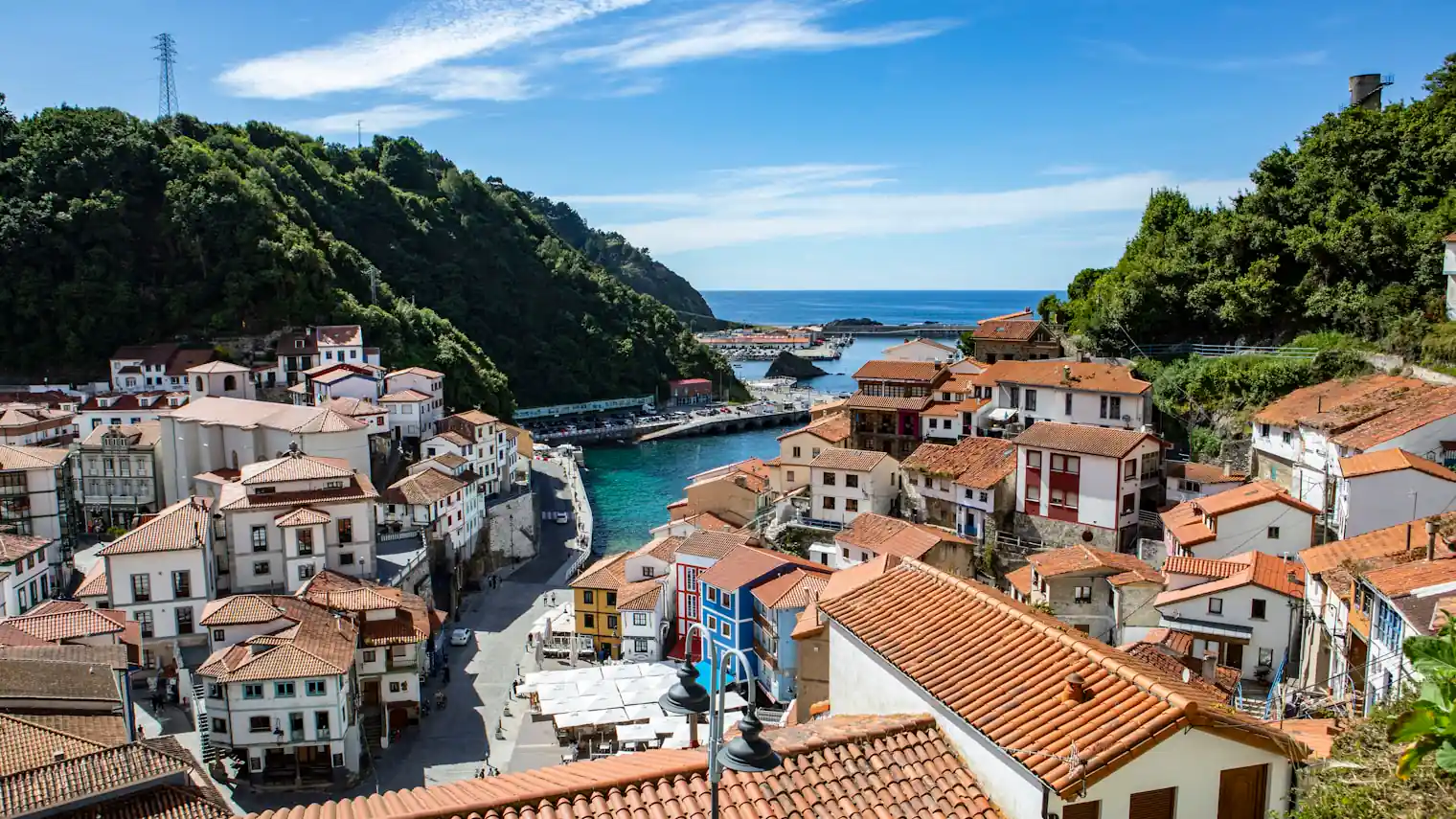
Spain in August is a cliché about heat that stops being true roughly where the Cantabrian mountains start. The northern strip — Galicia, Asturias, Cantabria, the Basque Country — faces the Atlantic, and locals call it la España Verde for a reason.
Summer highs there typically stay in the low-to-mid twenties, and the sea is bracing enough that the beaches never develop a Mediterranean crush. Inland, the Picos de Europa put 2,000-metre limestone an hour from the shore: a cliff walk in the morning, a mountain valley after lunch. Add Asturian cider houses, pintxos in San Sebastián and the Camino arriving in Santiago and it's a full holiday, not a compromise. The catch is the rain that makes it green — pack a shell.
Italy above the heat line
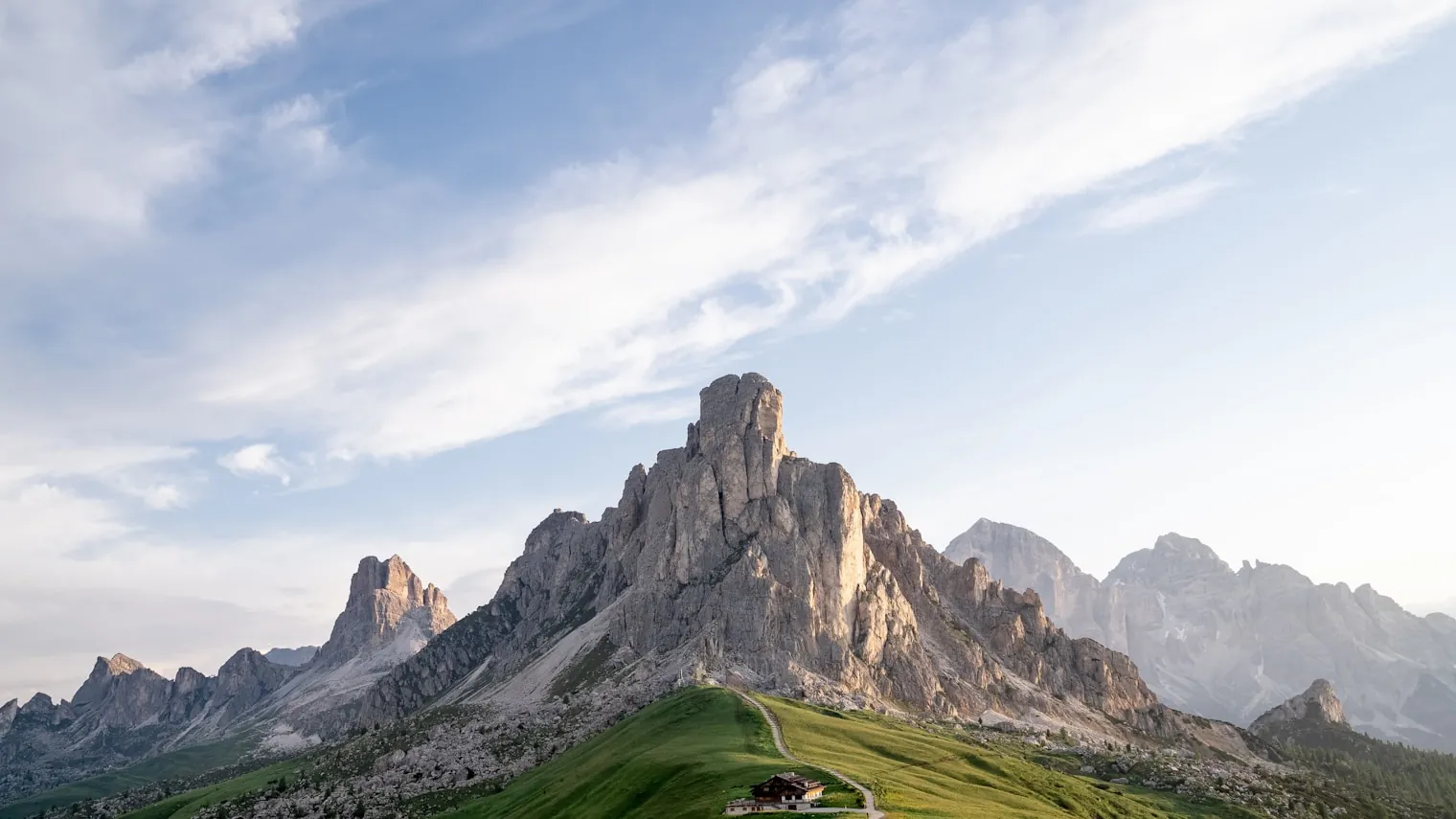
Altitude does the same job as latitude, only faster: every 1,000 metres up takes roughly six degrees off the thermometer. That's how you get a genuinely cool Italian summer without leaving the country.
The Dolomites are the headline — Alto Adige and Trentino, huts serving lunch at 2,000 metres, chairlifts that turn a hard day into an easy one, lakes cold enough to make you gasp. The Aosta Valley does the same under Mont Blanc, and the Abruzzo Apennines are the quieter, cheaper version of the same physics. Evenings in the valleys are the reward: dinner outside, no sweat, a jumper by ten.
Southern Europe's other cool corners
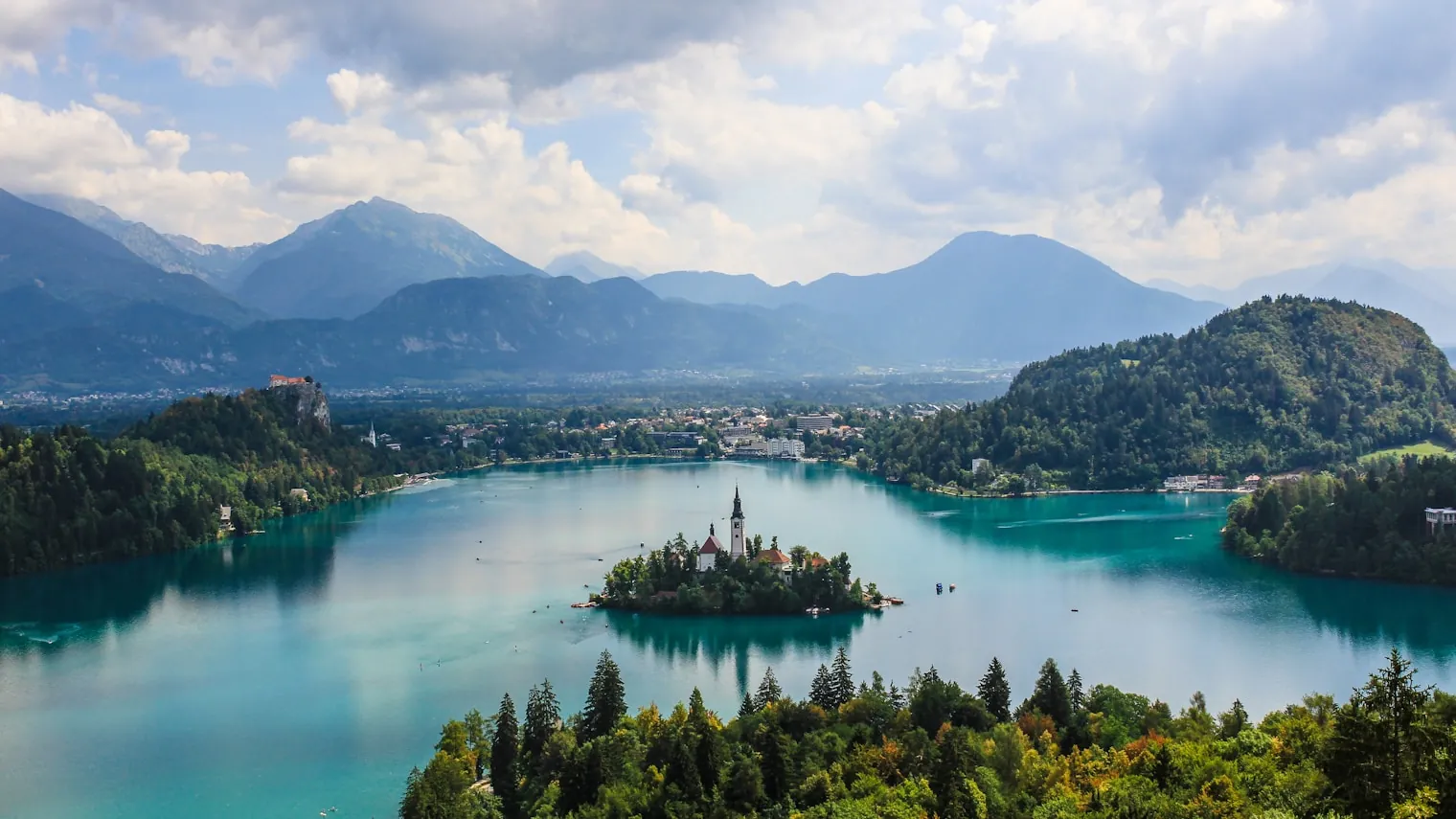
The same trick works across the south, and these are the trips people don't think of:
- Slovenia's Julian Alps. Bled and Bohinj get the photographs, but the Soča valley — turquoise river, gorges, Triglav overhead — is where the temperature and the crowds both drop.
- Northern Portugal. Peneda-Gerês national park and the granite highlands of the Serra da Estrela sit well above the summer heat, while the Minho coast north of Porto stays cool because the Atlantic there refuses to warm up.
- The Greek mountains. Skip the islands for Zagori and the Pindus range in Epirus: stone villages, arched bridges, the Vikos gorge, and a version of Greece where nobody is queueing for a sunbed.
Where a coolcation gets awkward for your phone
Every destination here has one thing in common: it moves you away from the dense coastal strips mobile networks were built around. That changes what you need from your data.
The terrain decides your signal, not the country. Fjord walls, deep valleys and forest roads produce dead spots in countries with otherwise excellent networks. Download offline maps — walking ones included — while you still have signal, and treat live navigation as a bonus.
You will probably cross a border. Coolcation routes get stitched together: the Dolomites into Austria, Bled after a night in Trieste, a Nordic road trip through three countries in a week. Roaming rules change with each hop — the EU roaming guide has the full map, and Switzerland is the classic ambush.
Rural stays assume you're online. The keybox code, the booking confirmation, the farm track your GPS insists is a road — all of it arrives by data, usually at the least convenient moment. A VamosData eSIM covers that part at a price you agreed before you left, instead of whatever your operator charges three valleys from the nearest town. Pick your route on our destinations page and it's one setup for the trip.
The pre-trip checklist
- Confirm your phone supports eSIM with our device checker — it takes seconds.
- Choose a plan for your route on destinations, checking whether you need one country or a region.
- Install your VamosData eSIM at home, on Wi-Fi, following the iOS or Android guide. It's the same pre-flight fix as your first 30 minutes in a new country.
- Set it as your data line and switch data roaming off on your normal SIM, so your home number still rings but can't quietly bill you.
- Download offline maps and save your accommodation details before the last big town.
Do that and the only thing left to plan is which jumper to pack — which is, after all, the entire point of a coolcation.