For about twenty years, the answer to "what do I do about data when I land?" was the same everywhere: you'd sort it out at the airport. There is nearly always a counter past baggage reclaim, a machine in arrivals, a kiosk at the station. Not cheap, not quick, but dependable enough that most people treated it as a safety net rather than a plan.
That safety net has a hardware dependency nobody used to think about: a slot in the side of your phone.
The tray is disappearing, and not on a schedule
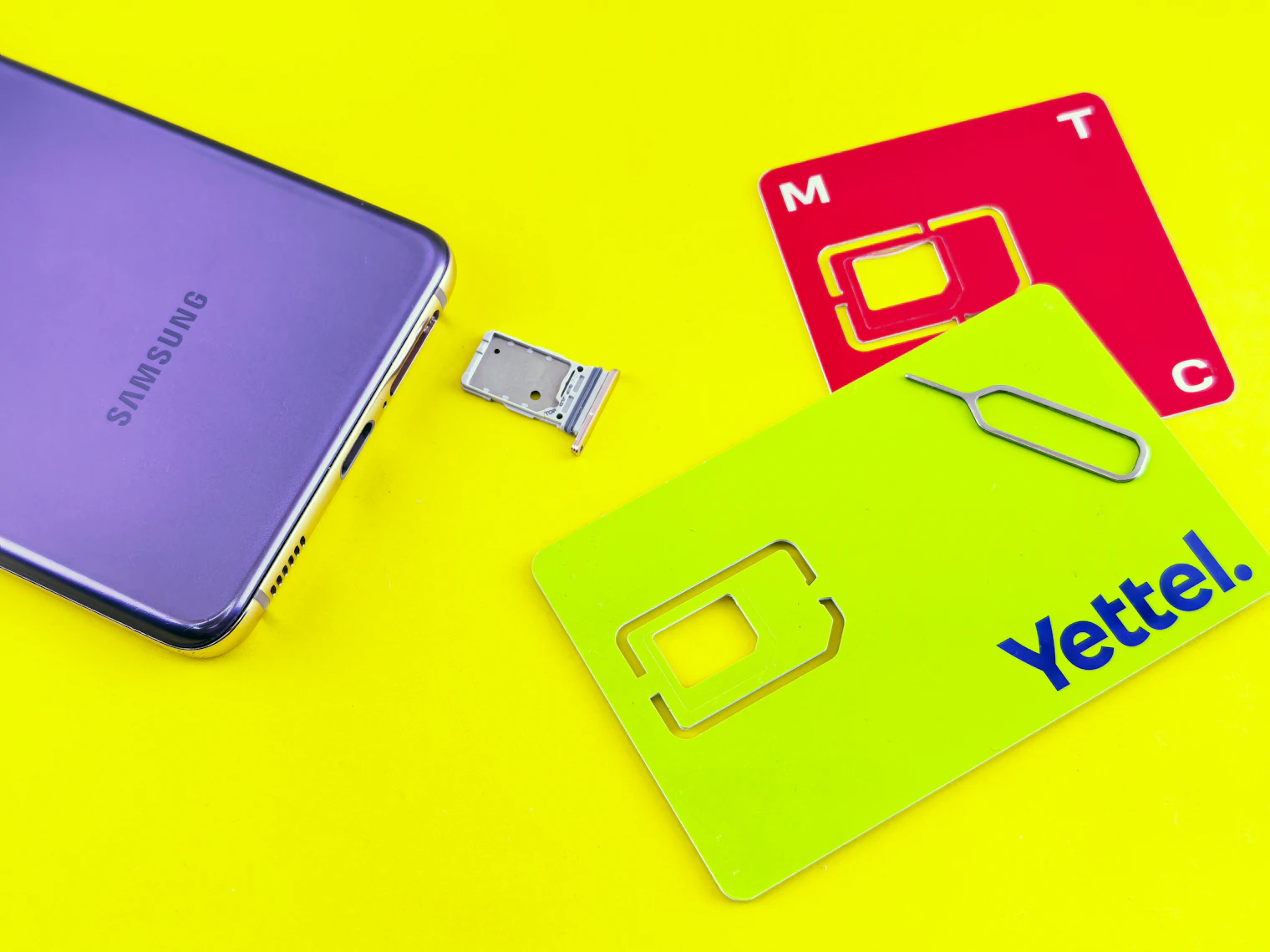
The physical SIM tray is being retired gradually and unevenly, which is exactly why so few travellers have noticed. It began a few years ago with a single flagship line sold in a single market, with no tray at all. Since then more models have shipped without one, in more countries, and the change stays invisible right up to the day you need the slot.
The capability underneath went mainstream in parallel. Most smartphones sold today support eSIM whether or not they kept the tray, and industry bodies now expect eSIM connections to overtake removable-SIM ones before the end of the decade. The direction of travel isn't really in question; only the pace is, and it varies by manufacturer and by market.
So this isn't a prediction about phones in general. It's a question about the specific handset in your pocket, and about the one you'll replace it with.
What a missing tray means at the arrivals counter
If your phone has no tray, the airport SIM counter has nothing to sell you. Not a worse deal — nothing. The product on that shelf is a piece of plastic, and your phone has no opening for it.
Travellers rarely find this out at home. They find it out in the queue, after a long flight, holding a passport, which is the worst possible moment to learn something structural about your own device. In plenty of countries that queue also comes with an ID check and a registration form, so the time cost was never trivial even when it worked.
Some local operators do sell eSIM profiles across the counter as well. It is spreading, but it is nowhere near universal, and the ones that offer it often need you to be online to finish the activation — which is precisely what you came to the counter for.
Airport Wi-Fi isn't the backup you think it is
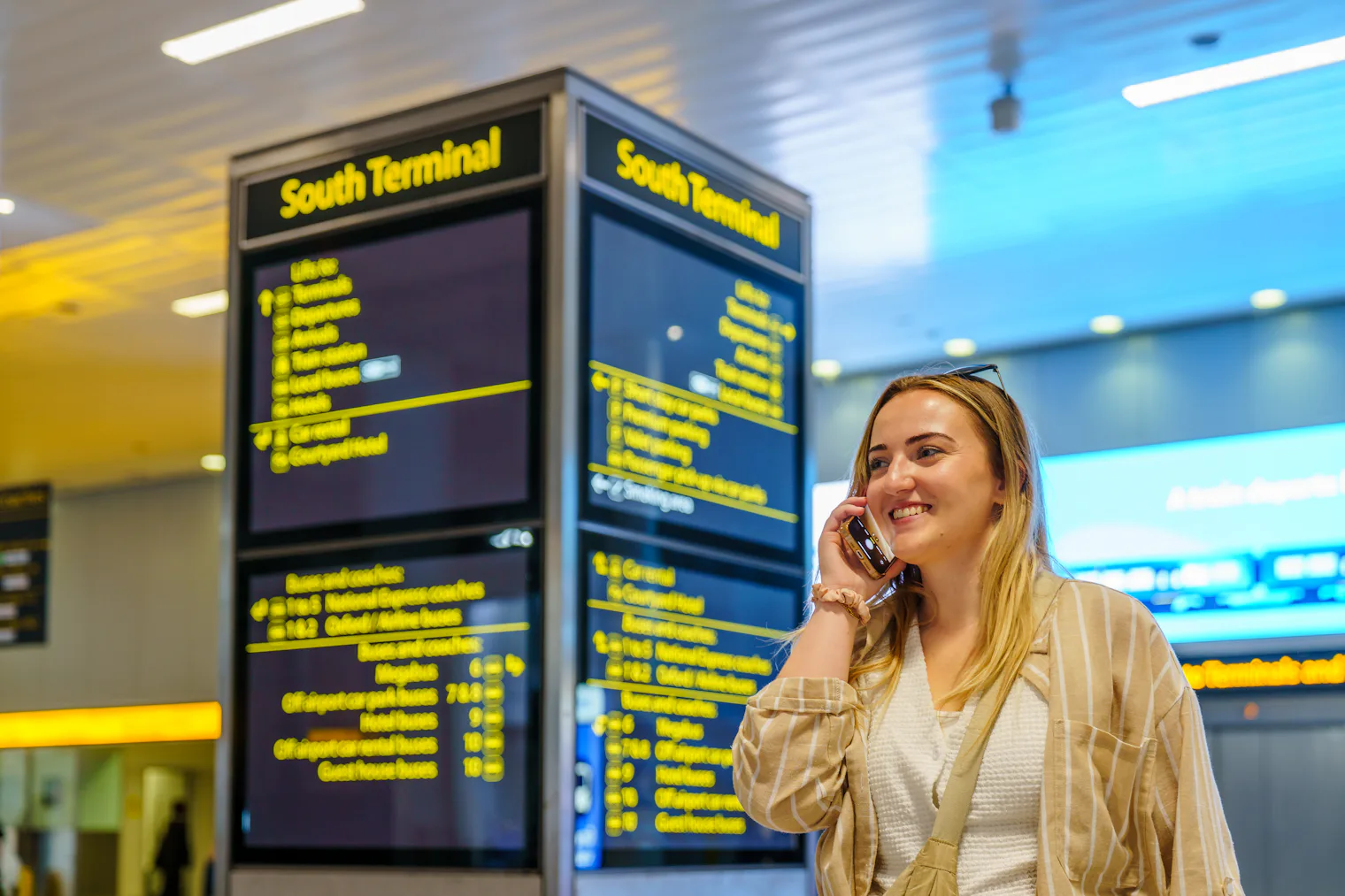
The usual improvisation is to lean on the terminal's free Wi-Fi until something better turns up. It works often enough to feel safe and fails in a specific, maddening way: the portal asks for a phone number, texts a code to it, and the number it texts is the one you can't receive on because you have no working mobile service. Add a captive portal that logs you out every thirty minutes, and a bus to catch, and the airport has become the hardest place to fix the problem rather than the easiest.
Pre-installing stops being the clever option
When buying on arrival is still possible, installing a travel plan in advance is a convenience — you skip a queue. When your phone has no tray, it is the whole plan, and it is worth treating it that way.
A VamosData eSIM is bought online and installed over your home Wi-Fi before you leave, in the calm part of the trip. Plans by country and region are on the destinations page. The profile sits dormant on the phone and the plan starts when it first connects at your destination, so installing early costs you nothing — and the step that catches people out is the one setting afterwards: your travel line needs data roaming switched on to work at all.
The practical upside is that the first hour in a new country stops being an errand. You land, the phone finds a network, and the maps, the ride app and the message home are all working before you reach passport control — which is roughly what that first half-hour should look like anyway.
If your phone still has a tray
Then nothing is urgent, and you still have both options — which is genuinely worth something. For a long stay in one country, a local prepaid SIM bought after you arrive is often still the better deal, and we've written an honest comparison of the two, including where local wins outright.
What has changed is that the choice now has a shelf life tied to your next phone upgrade. Worth knowing before the upgrade, not after.
A two-minute check before your next flight
- Look for the pinhole on the edge of your phone. No pinhole means no tray, and no plan B at the airport.
- Confirm your handset supports eSIM on the device checker — that's a property of your phone, not of any plan.
- If it does, install your VamosData eSIM at home rather than in a terminal, while you still have reliable Wi-Fi and patience.
- Check that data roaming is on for the travel line once you land.
None of this is dramatic. It's one slot quietly going away, and a habit that has to go with it. The difference between knowing that at your kitchen table and discovering it in an arrivals hall is about three hours and a fair amount of swearing. If you're still weighing up the technology itself, eSIM vs physical SIM covers that ground.