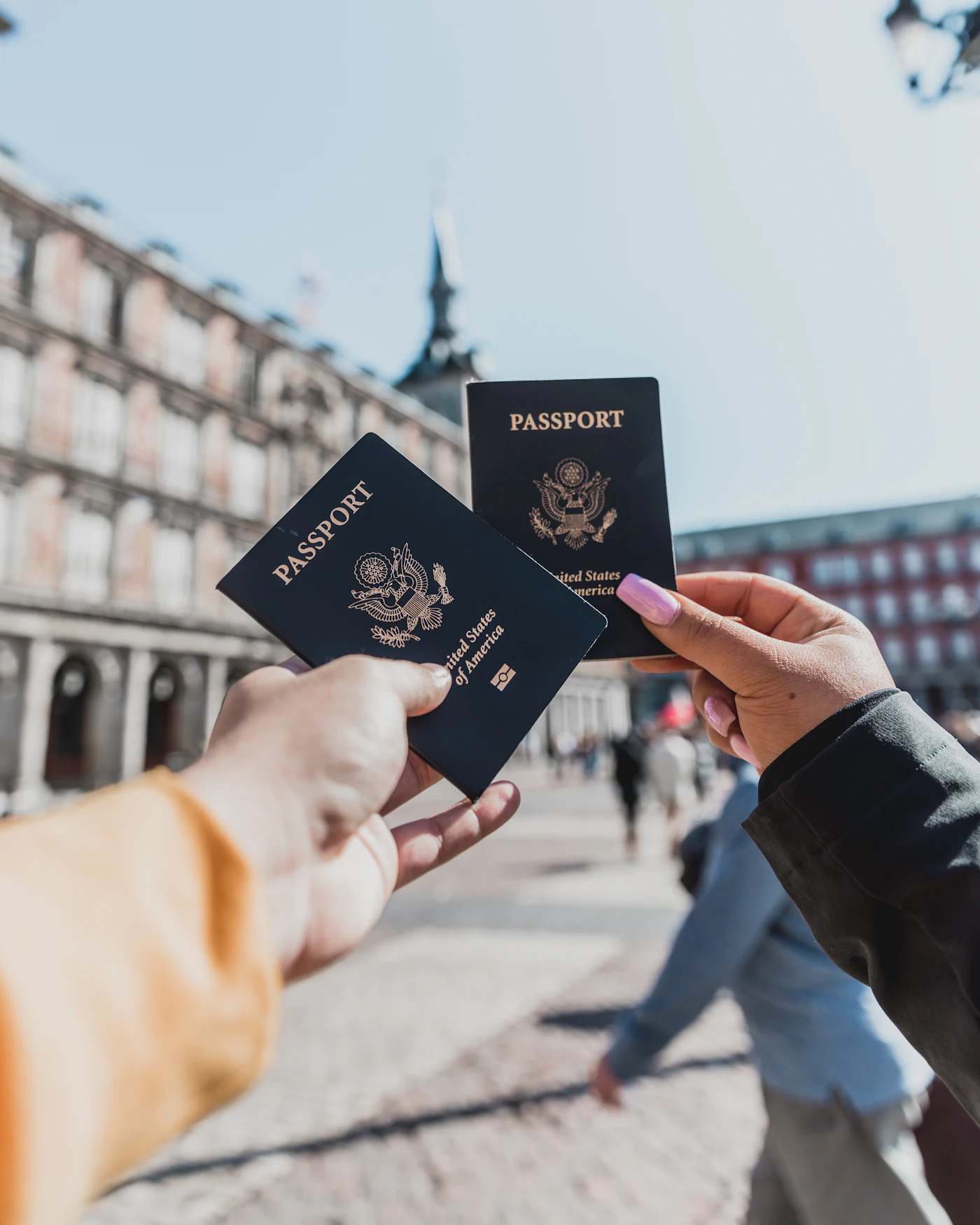
Walk into a phone shop in a lot of the world and buying a SIM card looks less like a retail purchase and more like opening a bank account: a form, a passport, a scan, sometimes a wait while someone types your details into a system before the card will carry a signal. It's not arbitrary bureaucracy — it's telecom law in dozens of countries — but it's also a rule written for a specific kind of customer, and a visiting traveler usually isn't that customer at all.
Why SIM registration exists
The formal name is SIM registration, sometimes bundled with the wider identity-check process telecoms call KYC (Know Your Customer) — verifying who a customer is before selling them a regulated service. Governments that mandate it usually point to the same handful of reasons: cutting down on SIMs used for fraud or anonymous scam calls, and making sure a lawful-intercept request has an accountable subscriber attached to a number. Whether it actually reduces those problems is debated, and enforcement is uneven, but the legal requirement itself is real and widespread — dozens of countries across Asia, the Middle East, Africa and Latin America mandate it in some form, alongside a smaller number in Europe.
The specifics vary a lot by country and change over time: which ID counts, whether a foreign passport works at every outlet or only some, whether a local address or sponsor is also required, and how registration itself is processed (a counter scan, a government portal, an app-based e-KYC flow). That's too unstable to list country-by-country here — check the current rule for your specific destination, and treat any figure you read elsewhere (processing time, document list) as a starting point, not a guarantee.
What it actually looks like at the counter
The shape of the friction is consistent even where the details differ:
- You need your physical passport with you — not a photo of it, not a copy left at the hotel.
- The line is registered to you personally, so a SIM someone else bought or registered on your behalf can be deactivated without warning.
- It happens during staffed hours, at a counter, sometimes only at particular outlets authorized to process foreign documents.
- Activation isn't always instant — some networks hold the line inactive until the registration clears on their side.
- A few countries cap how many active lines one passport can hold, which matters if a group is buying separately.
None of this is a hassle designed to annoy tourists — it's the same process a resident goes through with a national ID card. It's just built around presence, paperwork and a queue, at the exact moment a traveler wants to be doing anything else.
The distinction that actually matters: subscriber vs. roamer
Here's the part that gets lost in translation between "SIM" and "phone service": these laws regulate locally issued subscriber lines — a number an operator in that country issues to you, under your name, on their own network as the line's home. A visiting phone that's roaming is doing something categorically different: it's using a foreign network temporarily, on an agreement between operators, while its actual subscriber relationship stays with an operator somewhere else entirely.
That's exactly what a VamosData eSIM does. Installing one doesn't create a new local subscriber line in the country you're visiting — it lets your phone connect as a visiting roamer on a partner network there, the same status your home carrier's SIM has when it roams internationally. Nobody is dodging a rule; the rule was never written with this arrangement in mind, because roaming has worked this way for as long as phones have crossed borders. A roaming traveler is an ordinary, legal presence on the network — not an edge case the registration law is trying to catch.
What that means for a trip
Practically, it's the difference between two very different first hours after landing:
| Local SIM (subscriber line) | VamosData eSIM (roaming) | |
|---|---|---|
| Passport required at purchase | Often, yes | No |
| Where you set it up | A shop, during business hours | Anywhere, any time, before you fly |
| When it's ready | After registration clears | The moment you land and connect |
| What it creates | A new local subscriber record | Nothing — you stay a visiting roamer |
Skipping the counter isn't the only upside — it also means you're not carrying a data gap into the first hours of a trip, when you most want maps, messaging apps and a way to confirm your ride from the airport already working.
Getting set up before you leave
- Confirm your phone supports eSIM on the device checker — that's a property of your hardware, worth checking before anything else.
- Pick a plan for where you're headed on destinations.
- Install it ahead of time following the iOS or Android guide — most VamosData eSIM plans only start counting from first connection at your destination, so installing days early costs nothing.
- Keep your home number for calls and texts, with data roaming on that line switched off — see the eSIM vs. physical SIM breakdown if you're weighing the two.
SIM registration laws aren't going anywhere, and for the person they're actually aimed at — someone becoming a subscriber on a local network — the passport check is a reasonable, ordinary requirement. It just isn't a requirement roaming ever triggered in the first place. If arrival logistics are the part of travel you'd rather not think about, your first 30 minutes in a new country covers the wider version of the same idea: whatever you can sort out before you land, you don't have to sort out standing in an airport.