If you've bought a phone in the last few years, chances are it can hold two kinds of SIM at once: the familiar plastic card, and a digital one called an eSIM. For everyday life at home the difference barely matters. The moment you travel, it matters a lot.
What's actually different?
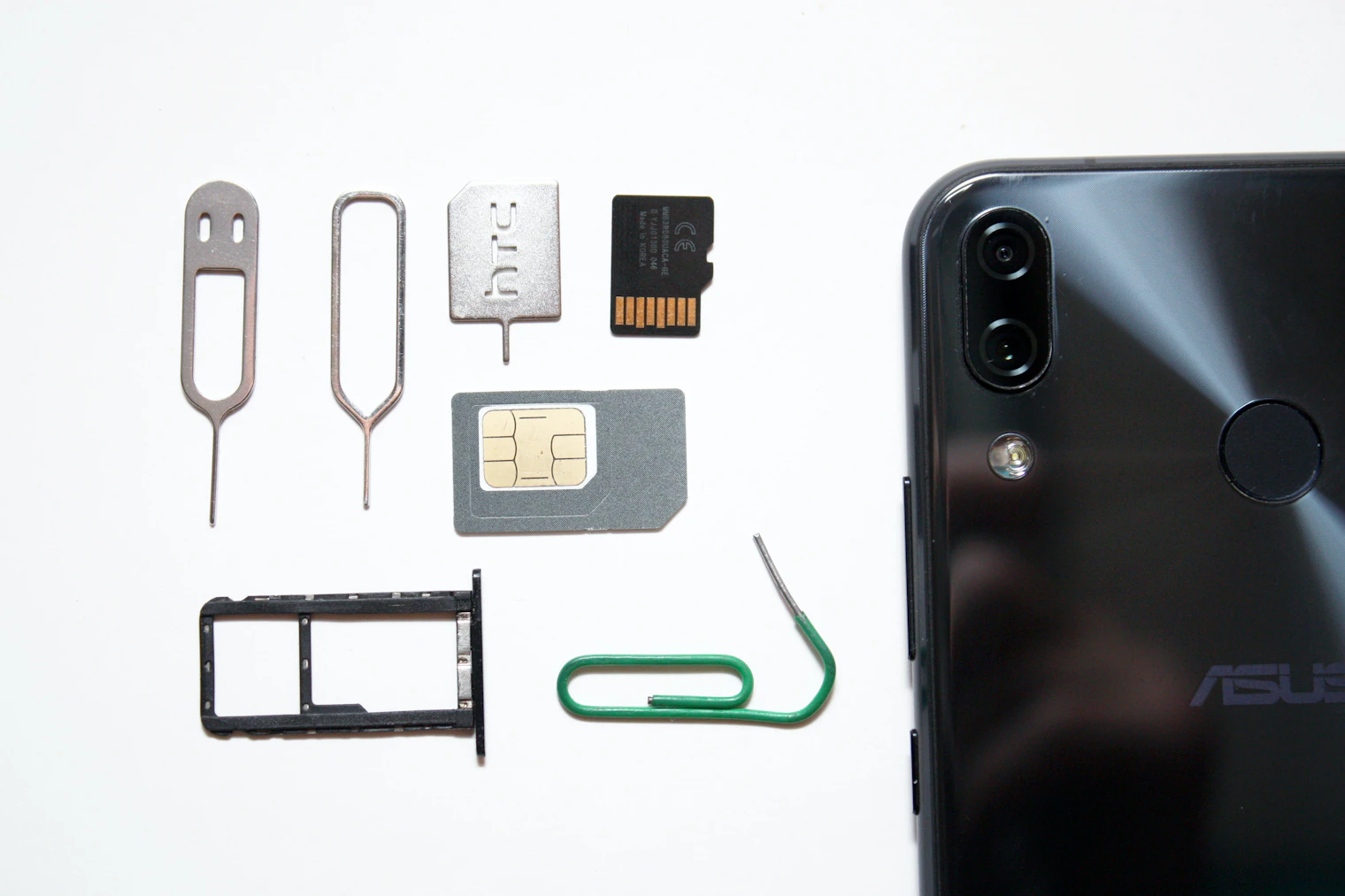
A physical SIM is a chip you push into a tray. An eSIM is the same chip, but soldered inside your phone and programmable: instead of swapping plastic, you download a carrier profile — usually by scanning a QR code — and your phone treats it exactly like a real SIM.
That one change ripples into everything travelers care about:
| eSIM | Physical SIM | |
|---|---|---|
| Setup | Scan a QR code, online in minutes | Find a shop, show your passport, swap cards |
| When you can buy | Before you fly, from your sofa | Usually only after you land |
| Your home SIM | Stays in the phone, keeps receiving calls and SMS | Sits in your wallet, unreachable |
| Losing it | Nothing to lose | Tiny card, easy to misplace |
| Switching plans | Delete a profile, add another | Another shop, another queue |
| Number of plans | Store several profiles at once | One per tray slot |
Why eSIM usually wins abroad
You land connected. The single best argument. You install the eSIM at home, and the moment the plane's wheels touch down you have data — for the taxi app, the maps, the "I've arrived" message. No hunting for airport kiosk Wi-Fi.
Your real number stays alive. Because the eSIM occupies a second slot, your home SIM keeps working for calls and verification SMS (banks love those at the worst moments). You simply route data through the eSIM and avoid roaming fees on your main line.
No passport-and-paperwork ritual. In many countries, buying a local SIM means registration, ID checks and a form in a language you may not read. An eSIM purchase is an ordinary online checkout.
Nothing physical to break or lose. No ejector-pin surgery on a moving train, no original SIM lost in a hostel bed.
When a physical SIM still makes sense
Honesty time — plastic isn't dead yet:
- Older or basic phones. eSIM support became mainstream around 2018–2020; earlier devices simply can't use one. Check yours in a minute with our device compatibility checker.
- Very long stays. Settling somewhere for a year? A local contract SIM with a local number can be the cheaper, more practical choice.
- You need a local number for locals. Some tourist eSIMs are data-only; if the plumber has to call you back on a local number, a domestic SIM helps.
So which should you pick?
For a trip — a week in Japan, a summer around Europe, a conference in the US — the eSIM is the obvious choice: bought in advance, working on arrival, your own number still reachable, no shops involved. For permanently relocating, get a local physical SIM once you're settled, and let an eSIM cover the messy first weeks.
If you're new to all this, our how it works page walks through the whole flow — buy, scan, connect — and you can browse plans for over 150 countries on our destinations page.