Andorra is a small country folded into the Pyrenees between France and Spain, and getting there feels less like an international trip than a long drive uphill. There is no airport and no railway station, and most days there is nothing at the border that slows you down for more than a minute. Which is exactly why the surprise arrives later, on the bill: Andorra is not in the EU, so the "roam like at home" allowance that carried you across the rest of Europe stops the moment your phone finds an Andorran tower.
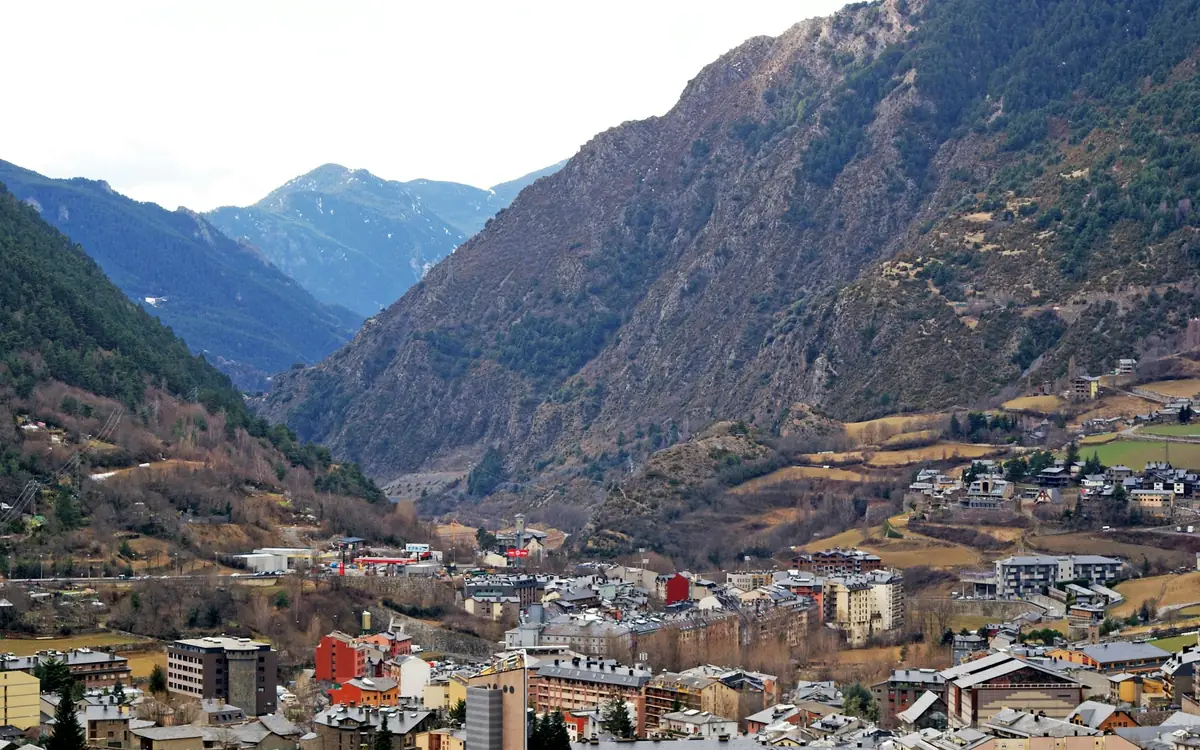
When to go
| Season | What you get |
|---|---|
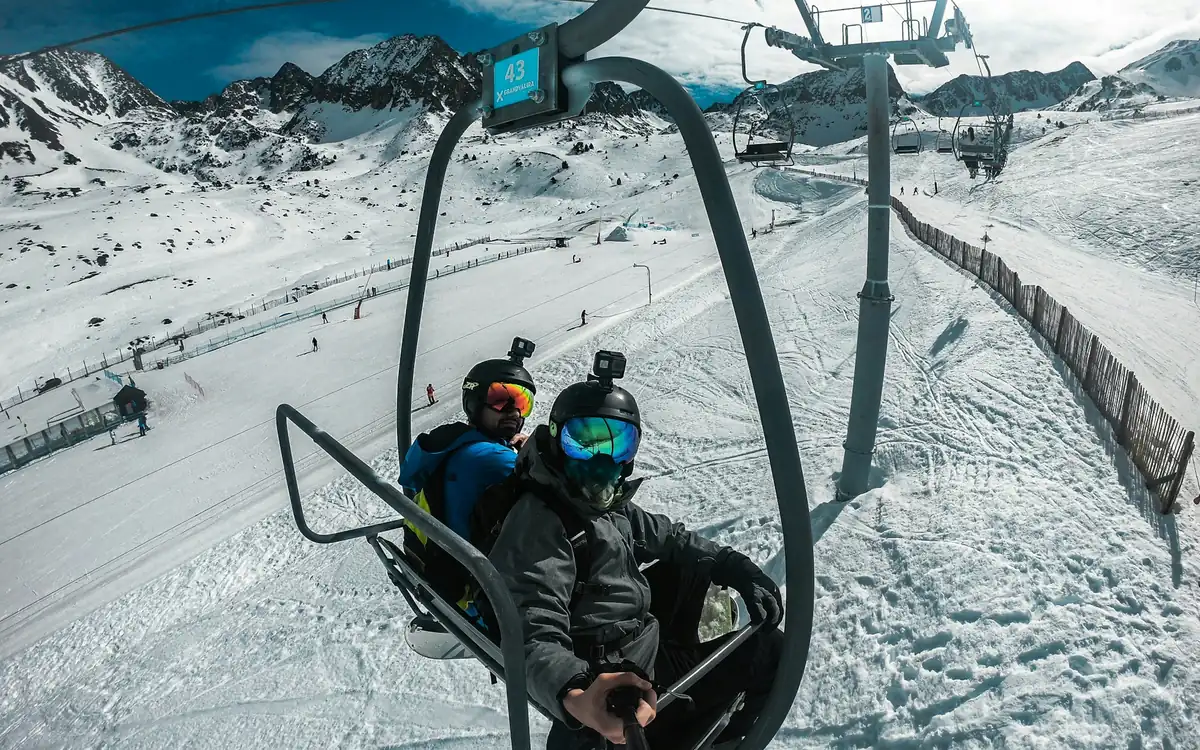
| December–April | Ski season. Grandvalira in the east, Pal Arinsal and Ordino Arcalís in the west. Christmas, New Year and February school holidays are the busiest weeks of the year. |
| June–September | Hiking, mountain biking and cool air while the Mediterranean coast bakes a few hours south. |
| Late April–May, October–November | The quiet, cheap shoulder. Lifts and some mountain restaurants close, high trails can still hold snow, and a few passes get weather. |
The country is small enough that the seasons, not the regions, decide the trip. Pick the months first and the valley second.
What to do
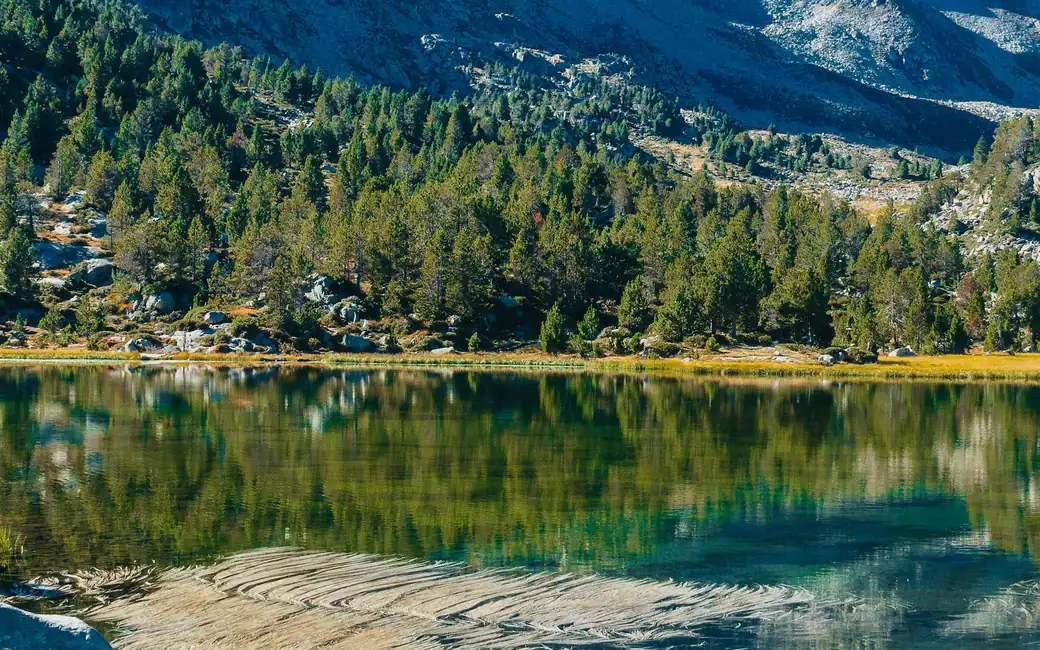
Skiing is the headline, but it is not the whole country. The Madriu-Perafita-Claror valley, a UNESCO World Heritage site since 2004, is a glacial valley with no road into it — you walk in, past shepherds' huts, and the traffic of Andorra la Vella disappears within twenty minutes. Coma Pedrosa, at 2,942 metres, is the high point for anyone counting summits. Down on the valley floor there is the Caldea thermal complex at Escaldes-Engordany for the day after the descent, plus a scattering of small Romanesque churches — Santa Coloma and Sant Joan de Caselles among them — that predate every ski lift by roughly nine centuries.
Shopping is the other classic reason people come: Andorra's sales tax is low by European standards, which is why the main avenue of the capital looks the way it does. Note that low tax inside the country is not the same as tax-free on the way out — customs on the French and Spanish sides check quantities, and those allowances are worth reading before you load the boot.
Getting there
With no airport of its own, the practical arrivals are Barcelona and Toulouse: direct coaches run up from Barcelona airport, and the drive takes roughly three hours from either side. From France you climb over the Port d'Envalira — at 2,408 metres, the highest paved pass in the Pyrenees — or take the toll tunnel underneath it, which is the version that does not care what the weather is doing. Once the snow arrives, winter tyres or chains are the sort of thing the road authorities can and do require.
Where the phone bill changes
Andorra is not an EU or EEA member, so "roam like at home" does not apply, and each operator decides for itself which price zone the principality lands in. An EU–Andorra association agreement that would eventually end roaming charges between the two has been under negotiation for years, but it is not in force, so the safe assumption for this trip is foreign-roaming rates unless your own tariff says otherwise in writing.
Two details make it stickier than the usual non-EU destination. The country's mobile network is run by a single national operator, so there is no shopping around for a cheaper local SIM once you are up there. And there is no theatrical border to remind you of any of it — the geography of exactly this problem is covered in the non-EU pockets inside Europe.
The five-minute version
- Check your own tariff's Andorra rate or add-on before you leave. A pass bought in advance beats out-of-bundle rates discovered afterwards.
- If Andorra is not covered, switch data roaming off before you cross, not after — the same discipline as the avoiding roaming charges checklist.
- Download offline maps, the piste map and your booking confirmations while you are still on data you are paying a known price for.
- Treat Wi-Fi as the default, not the fallback: hotels, lift stations and cafés generally have it, and your phone should be leaning on it up there.
- Cover the rest of the route properly. The airport, the drive up, the night before and the trip home are all spent in Spain or France, where a VamosData eSIM is a fixed price agreed before you fly. Check your phone on the device checker, see what is available for your route on destinations, and install it at home via the iOS or Android guide.
Andorra is a couple of hours of hairpins and one of the more rewarding small countries in Europe. The only thing worth arriving with is a clear idea of what your phone is about to cost — and a plan that does not depend on a rule that stops at the river.