Every eSIM company will tell you the local SIM card is finished. That's marketing, not advice. A local prepaid SIM — the kind you buy at a kiosk in the country you're standing in — is still the better tool for certain trips, and being straight about which ones is the only way the rest of the comparison earns any trust. So: concessions first.
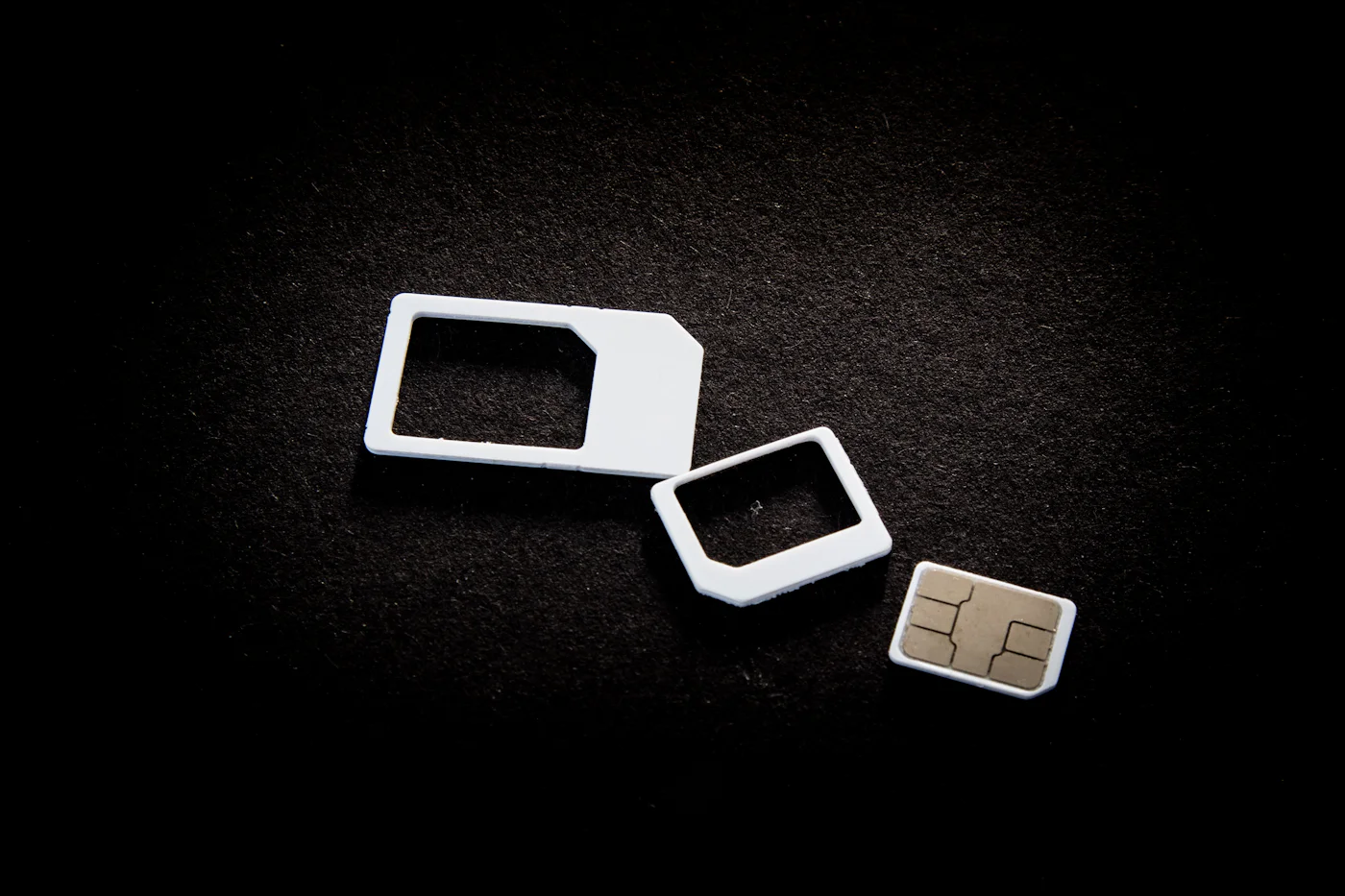
Four things a local SIM does better
Long stays. Domestic prepaid tariffs are built for people who live there and renew every month, and that pricing logic compounds. If you're spending a season somewhere — a semester, a posting, a long slow winter — a local plan bought in-country is usually the sensible base layer, whatever you used to get through the first week.
A local number. This is the big one, and it's not about vanity. Food delivery apps text a code. Restaurants call to confirm. A driver can't find your building. A local ticketing or banking service refuses a foreign number outright. Travel eSIMs, ours included, are data-only — they carry internet, not a phone number — so if your trip depends on locals being able to ring you, a local SIM answers a need that data alone doesn't.
Actual voice calls and SMS. WhatsApp and FaceTime cover most conversations, but not all of them. Landlines, clinics, government offices and older relatives still expect a phone call from a phone number. Your home line can make those calls while abroad, at your carrier's roaming rates — a local SIM makes them at local rates.
In-country top-ups. In much of the world, adding credit to a local prepaid line is a two-minute errand at any convenience store, and it's priced domestically. That's a genuinely good system, and it's the part of the local-SIM experience travellers miss most.
Where a VamosData eSIM wins
You land connected. The plane touches down and your data is already working — maps, the ride app, the message home. No queue, no kiosk, no gambling on airport Wi-Fi with your card details.
Your own number stays reachable. Because your VamosData eSIM is a second line, your normal SIM stays in the phone and keeps receiving calls and verification texts — the ones your bank sends at the worst possible moment. You route data through the travel line and leave calls where they were.
No counter, no paperwork. In dozens of countries, buying a SIM means a passport, a form and a wait while someone registers you. We wrote about why that rule exists and why roamers skip it. Buying a VamosData eSIM is an ordinary online checkout.
Multi-country trips. One local SIM is one country. If your itinerary crosses borders, a regional plan on your VamosData eSIM keeps a single setup working across the whole route — see what's available on the destinations page. And when you need more data, many plans can be topped up from your VamosData account instead of a shop.
What the sticker price leaves out
Comparisons between the two usually stop at the number on the shelf, which flatters the local SIM. The rest of the ledger is real too: the time between landing and being connected, the outlets near arrivals that price for captive customers, the registration step where it applies, credit left unspent when you leave, and the SIM you have to physically keep track of and swap back. None of that makes a local SIM a bad deal — for a long stay it remains the better one — but it's why the honest answer is "it depends on the shape of your trip", not "it depends on the price".
The combination most travellers actually want
Not a winner — a sequence. Install a VamosData eSIM before you fly, land connected, and get through the disorienting first days with working maps and messages. Then, if the stay turns out to be long, buy the local SIM without hurry: you'll have data in your hand to compare tariffs, translate the contract and find a shop that serves foreigners.
That order matters. Choosing a local plan on day one, jet-lagged and offline, in a shop whose staff you can't quite follow, is how people end up on the wrong tariff.
A quick way to decide
| Your trip | The better tool |
|---|---|
| A week or two, one or several countries | A VamosData eSIM |
| Weekend city break | A VamosData eSIM |
| Months in one country, mostly settled | Local SIM — after arriving on a VamosData eSIM |
| Locals need to call or text you | Local SIM, or both lines together |
| Work trip where your own number must stay live | A VamosData eSIM alongside your usual SIM |
| An older phone with no eSIM support | Local SIM — check yours first on the device checker |
Before you commit to either
Two checks take a minute between them. Confirm your handset actually supports eSIM on the device checker — that's a property of your phone, not of any plan. And if you go the eSIM route, remember the line needs data roaming switched on to work at all, which surprises people every week.
If it's the underlying technology you're weighing up rather than where you buy, eSIM vs physical SIM covers that side. And when you know where you're going, plans by country are on the destinations page.